Saying no feels risky.
You anticipate disappointment, anger, or rejection. You agree before you have had time to consider what you need.

You can care about people and make room for yourself.
You may have learned to stay connected by being useful, agreeable, strong, quiet, or easy to need. Now, saying no brings guilt. Your own preferences are hard to hear. And keeping everyone comfortable leaves little room for you.
At Joshua Tree Counseling, therapy gives you space to understand those patterns, practice clearer boundaries, and build a sense of worth that has room for your needs, feelings, and choices.
You can be compassionate, capable, and deeply committed to your relationships while still feeling unsure where your responsibility ends.
You anticipate disappointment, anger, or rejection. You agree before you have had time to consider what you need.
You watch other people's moods, smooth over conflict, and feel responsible for keeping relationships steady.
You adapt so quickly to other people that your preferences, feelings, and limits become difficult to name.
Rest brings guilt. Mistakes feel exposing. You offer others compassion while questioning whether you deserve the same care.
You can begin with one relationship, one recurring feeling, or one place where life feels harder than it needs to.
Being helpful, anticipating needs, staying quiet, or keeping the peace may once have helped you belong, avoid conflict, or get through a difficult situation. Those habits can remain even when your circumstances change.
Therapy helps you explore what you learned about love, responsibility, disagreement, and your own worth. The work can include family expectations, attachment experiences, cultural pressures, faith, or the impact of harmful relationships.
When trauma is part of the story, your counselor can help you consider deeper work with the experiences that still make a limit feel frightening.
Explore trauma and attachment therapyA boundary can describe what you will participate in, what you need, and the choices you will make when a limit is crossed. Your counselor helps you work out what that means in your actual life.
Notice where you agree automatically, lose track of your needs, or take on more than you can sustain. Explore the fear, beliefs, and experiences that make a different response difficult.
Practice naming a need, asking for time to decide, making a request, or declining a commitment. Work toward language that feels honest and fits the relationship.
Make room for guilt, anxiety, grief, or someone else's disappointment as you practice. Revisit what happened and choose the next step with support.
Sometimes the first change is giving yourself time to notice what you actually want to say.
You may know how to be the dependable one, the strong one, the easy one, or the person who takes care of everyone. A changing relationship, a loss, burnout, or a new season can leave you wondering what remains when that role changes.
Counseling creates space to hear your own preferences, recognize your strengths and limits, explore your values, and relate to yourself with greater honesty and compassion.
These counselors bring particular focus to boundaries, identity, self-worth, and the relationship patterns around them. Their styles and areas of depth differ; explore the person whose approach feels like a useful place to begin.
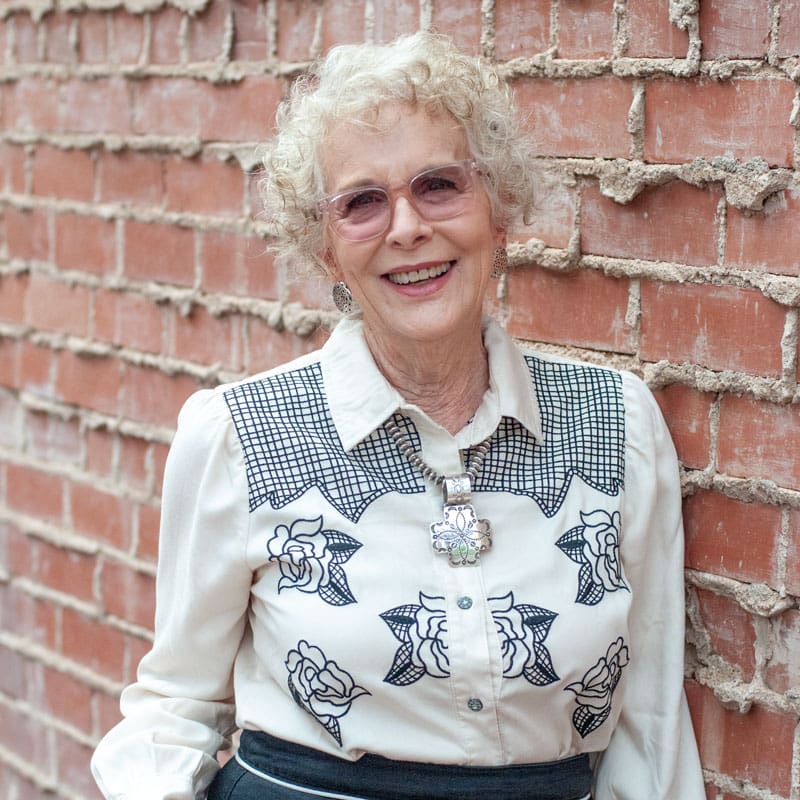
Codependency, family roles + emotional independence
Dana offers direct, practical support when your life has become organized around someone else's needs, addiction, or reactions. With compassion and honest feedback, she helps you clarify responsibility, recognize choices, and strengthen your confidence in your own judgment.

Healthy relationships, identity + self-worth
Mary helps women and teen girls understand relationship patterns, express their needs, and reconnect with their own strengths and direction. Her warm, relational approach combines encouragement, practical skills, and deeper emotional work when appropriate.

People pleasing, perfectionism + the inner critic
Kristen works with teens and adults whose self-worth feels tied to approval, achievement, or keeping others happy. Her calm, thoughtful style helps you explore the beliefs and relationship experiences beneath self-criticism, then practice clearer communication and greater self-trust.

Carrying too much, relationships + emerging identity
Natalie offers an unhurried place for women and teen girls who keep everyone else going while their own needs get lost. Her gentle, collaborative style helps you sort through expectations, put feelings into words, and make thoughtful choices about relationships and your future.

Burnout, high sensitivity + limits that fit your life
Emily helps adult women clarify their needs, values, and capacity when relationships or daily demands leave them depleted. Her patient approach offers practical tools for communication and self-understanding, with room to explore the pressure to stay productive or keep everyone comfortable.

Trauma, attachment wounds + deeply held shame
Rachel works with adults whose history has shaped their sense of worth, safety, and responsibility in relationships. Her direct, deeply relational care uses DBR, Trauma Model Therapy, and parts work to address the wounds beneath patterns of self-doubt, survival, and disappearing into other people's needs.
Unsure where to begin? Kelly can help you compare counselor style, age range, fees, location, and appointment options.
Get help choosingProfiles and booking links provide current fees and availability. For clients under 18, the first appointment is parent-only. Mary's teen counseling is in person; her first-session telehealth option is for clients 18 and older.
Questions about boundaries can become tangled with what you have learned about love, service, forgiveness, loyalty, or being a good Christian. There is room to explore those beliefs alongside the emotional and relational patterns you want to understand.
Joshua Tree is a collective of Christian counselors. If you want faith included in psychotherapy, you can ask to bring Scripture, prayer, or spiritual questions into the work. Your preferences guide that conversation, and counseling without faith integration is equally welcome.
Explore Christian counseling
Ordained Chaplain
Board-Certified Pastoral Counselor
Tammy offers Christian pastoral conversation for adults reflecting on identity, belonging, responsibility, and relationships. Her story-centered approach makes room to consider the roles you carry, the meaning of your experiences, and the choices you want to make.
Pastoral support may include Scripture, prayer, and reflection on how faith informs your limits, values, and sense of worth. Tammy especially enjoys supporting women and people who spend much of their lives caring for others.
Adults 18+ · In person in Tucson + virtual pastoral counseling across the U.S.
Tammy provides pastoral counseling and soul care. She is not a state-licensed mental health clinician and does not provide psychotherapy, diagnosis, or clinical trauma treatment. Compare licensed and pastoral counseling.
Explore a counselor's profile for their style, areas of focus, age range, and fees. Kelly can help you narrow the choices.
Meet at our Oracle or La Cholla office, or explore an Arizona telehealth option with a counselor whose format fits your needs.
Use the counselor's appointment or waitlist link, then watch for confirmation and intake paperwork. You can bring your questions to the first conversation.
Joshua Tree is private pay. Fees vary by counselor, and a valid credit card must remain on file. Review fees and payment.
Arizona telehealth clients must be physically in Arizona. For minors, the first appointment is parent-only. Read the intake steps.
It is individual counseling focused on understanding your needs, limits, responsibilities, and relationship patterns. Depending on your goals, the work can include communication skills, family roles, guilt, people pleasing, self-worth, or the earlier experiences that make speaking up difficult.
Guilt may connect with expectations about being helpful, fears about losing connection, or experiences in which expressing a need led to conflict. Your counselor helps you explore what the feeling means in your situation and decide how you want to respond.
Yes. You can explore over-responsibility, difficulty expressing needs, fear of disappointment, and relationships shaped around another person's reactions. Dana brings particular focus to codependency and emotional independence; Mary, Kristen, Natalie, and Emily also work with boundaries and relationship patterns.
Your counselor helps you understand the pattern, consider your needs and safety, and explore the choices available to you. Decisions about repair, limits, distance, or ending a relationship are considered in the context of your circumstances and goals. When intimidation or abuse is present, planning for safety and support matters.
Therapy can explore what happens emotionally when you try to express a need or follow through on a limit. When trauma or attachment wounds are part of the picture, the work may also involve processing those experiences. Rachel focuses on these deeper wounds; your counselor can help assess what approach fits your needs.
Yes. Kristen works with teens, while Mary sees teen girls 15+ and Natalie Albin works with teen girls. Counseling can address friendships, family expectations, self-criticism, identity, and communication. Confirm age and fit before booking. The first appointment for a minor is parent-only, and Mary's sessions with minors are in person.
Mary welcomes clients 18 and older online from the first session. Dana and Emily also offer Arizona telehealth options; review their format and availability before booking. Kristen begins with in-person appointments and may consider limited telehealth for established clients. Rachel and Natalie Albin meet in person. Explore Arizona telehealth counseling.
Yes. With your licensed counselor, faith integration is guided by your request and can include prayer, Scripture, or spiritual questions alongside clinical work. Counseling without faith integration is equally welcome. If you want explicitly Christian pastoral reflection, explore Tammy's separate pastoral counseling service.
You can begin with the relationship that feels confusing, the yes you wish had been a no, or the sense that you have lost track of yourself. Bring what you know so far.