
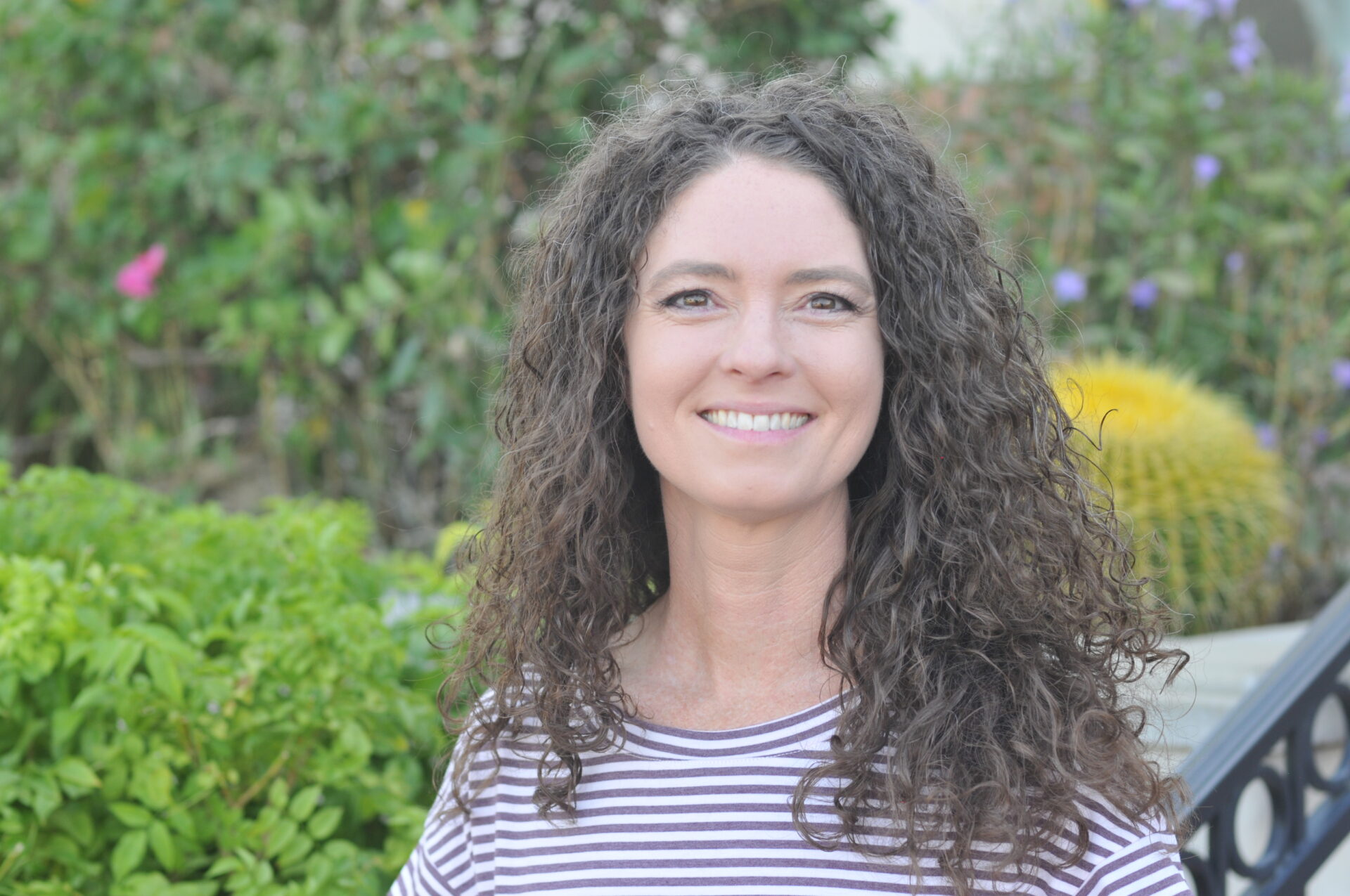
Rachel Neville, LPC
Trauma therapist in Tucson for complex trauma and dissociation
Rachel Neville, LPC, is a trauma therapist in Tucson who specializes in complex trauma, dissociation, and attachment wounds. She offers direct, deeply relational therapy for adults 40 and older at Joshua Tree Counseling’s La Cholla office. If you have told your story, learned coping skills, and still feel overwhelmed, disconnected, or stuck, her approach may feel like a different place to begin.
Rachel specializes in complex trauma, dissociation and DID, suicidal thoughts, sexual abuse, and attachment wounds that do not resolve through insight or willpower alone. She uses DBR, Trauma Model Therapy, and Ego State Therapy. These approaches address trauma’s effects on the brain, body, and nervous system. When requested, she can also weave Christian faith, prayer, and spiritual-warfare principles into therapy naturally and without religious pressure.
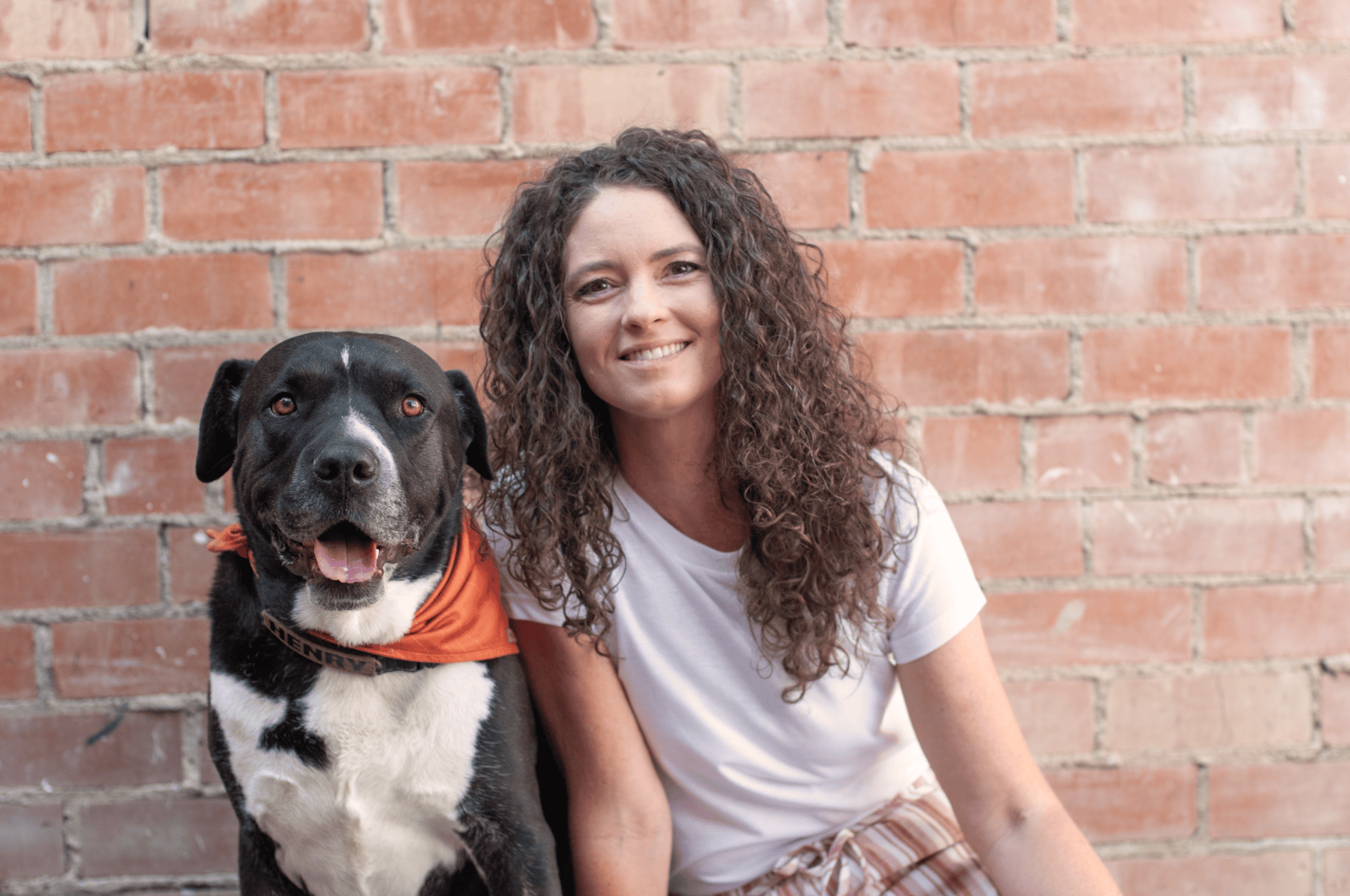
Henry, Rachel’s dog Henry joins her in sessions. Clients often joke that they come to see Henry and Rachel is the bonus therapist.
Is trauma therapy with Rachel a fit for you?
Choosing a trauma therapist in Tucson starts with recognizing the experiences you want someone to understand. You do not need to relate to everything below. One familiar experience may be enough to keep exploring.
You have been in therapy before—and you are still stuck
Previous therapy may have helped you gain insight, learn coping skills, and understand your history. Still, something underneath the explanation has not changed.
Were your experiences “bad enough” to count?
You may minimize what happened or compare your history with someone else’s. Perhaps you feel you have not suffered enough to deserve specialized help. Yet your body, relationships, and sense of self continue to carry the effects.
Dissociation leaves you feeling disconnected or divided inside
Dissociation may leave you feeling unreal, far away, floaty, emotionally numb, or disconnected from your body. Different parts of you may hold conflicting feelings, memories, needs, or ways of functioning that are difficult to explain.
You feel profoundly alone—even when other people are present
Suicidal thoughts, hopelessness, or the sense that no one understands you can feel exhausting. Sometimes you want the pain or pressure to stop. You deserve a place to talk about that experience openly.
A painful relationship has changed how you see yourself
Narcissistic abuse, betrayal, attachment wounds, or life with an alcoholic may have left you questioning your perceptions, worth, and ability to trust. You want more than help managing the relationship—you want to heal what it changed inside you.
You carry experiences that do not translate easily outside your world
Military service, law enforcement, or other high-stakes work may have required you to stay capable. The experiences you carry can still need care. You want a therapist who respects the strength it took to survive.
What it feels like to work with Rachel
A Tucson trauma therapist with a direct, relational style
As a Tucson trauma therapist, Rachel pays close attention and tracks what happens in real time. She speaks directly when the work calls for it. She can stay present with dissociation, suicidal thoughts, profound aloneness, and experiences that feel unspeakable while working to understand the person carrying them.
Her style is confident, direct, relational, and often surprisingly warm. She uses truth and humor without minimizing pain, and she brings hope without asking you to manufacture it for yourself. Rachel will challenge you when challenge serves the work—but she will not push your nervous system faster than it can safely go.
Read more about Rachel’s style
- Direct, confident, and deeply relational
- Unflinching in the presence of difficult material
- Attentive to what your nervous system communicates
- Truth, humor, and hope at the right moments
Specialized areas of focus
Complex trauma and dissociation therapy in Tucson
Complex trauma, childhood abuse, and sexual abuse When trauma was repeated, relational, or woven so deeply into your life that it became difficult to separate survival from identity. Explore this specialty Close specialty
How repeated trauma shapes your sense of self
Rachel’s work as a trauma therapist in Tucson includes repeated, relational trauma. These experiences may reach beyond one memory. Years of abuse, neglect, fear, humiliation, betrayal, or instability can shape how you experience your body, relationships, identity, and the world around you. Often those patterns began before you had the language or power to understand what was happening.
You may already understand your history intellectually and still find yourself overwhelmed by shame, terror, grief, rage, mistrust, or the belief that you were somehow responsible. Rachel works beyond insight alone. She uses DBR, Trauma Model Therapy, Ego State Therapy, and somatic tracking to address unresolved trauma.
Deep trauma work does not require forcing you to recount every detail or relive the worst experiences of your life. Rachel follows what your nervous system can tolerate, helping clear unresolved shock and emotional pain while strengthening your capacity for connection, agency, and a life that is no longer organized around survival.
Explore trauma therapy at Joshua Tree Counseling for a broader look at this specialty.
Dissociation and Dissociative Identity Disorder When disconnecting, going away, losing time, or becoming divided inside helped you survive what was too much to bear. Explore this specialty Close specialty
A trauma therapist’s approach to dissociation and DID
Dissociation can appear as emotional numbness, lost time, derealization, depersonalization, dizziness, feeling floaty, or the sense that you are observing your life from far away. For some people, experience becomes organized into distinct parts or identity states that hold different memories, emotions, beliefs, roles, and ways of functioning.
These responses are not evidence that you are broken. Your mind and nervous system found ways to survive experiences that felt overwhelming. Rachel understands dissociation as an adaptive response and approaches every part of the system with respect, curiosity, and care.
If you are looking for a trauma therapist in Tucson who understands dissociation and DID, Rachel’s specialized training is an important part of her approach. She helps clients build internal communication, reduce conflict between parts, and work toward greater continuity and choice while respecting the pace of the system. The goal is greater safety, cooperation, and freedom.
Suicidal thoughts, hopelessness, and profound aloneness When the pain feels unbearable, hope feels inaccessible, or you are exhausted from carrying everything alone. Explore this specialty Close specialty
Making room for suicidal thoughts and profound aloneness
Suicidal thoughts do not always mean that you want your life to end. Sometimes they express an urgent need for the pain, pressure, shame, or aloneness to stop. These thoughts may frighten you, or you may have grown used to them. Talking about them can feel risky. Perhaps you fear judgment or worry that a therapist will overreact.
Rachel does not flinch from conversations about suicide. She meets them directly, calmly, and relationally, working to understand what the thoughts mean within the context of your trauma and your life. She takes safety seriously without reducing you to a risk assessment or losing sight of the person carrying the pain.
Therapy explores what has made death feel like relief while also working with the trauma, attachment wounds, and nervous system states beneath the hopelessness. When you cannot access hope for yourself, Rachel is willing to hold it with you until something begins to shift.
Attachment wounds, narcissistic abuse, and alcoholic relationships When the relationships that should have offered safety instead taught you to doubt yourself, stay alert, or disappear. Explore this specialty Close specialty
Trauma, attachment, and relationship wounds
Life with an alcoholic or narcissistic person can gradually change how you experience yourself. You may have learned to monitor someone else’s mood, question your perceptions, accept blame, suppress your needs, or work relentlessly to preserve a connection that never felt reliably safe.
Even after the relationship changes or ends, your body may continue anticipating conflict, rejection, abandonment, or emotional withdrawal. Even when you recognize the harm, guilt or attachment may make it hard to trust your own experience.
Rachel helps clients understand the attachment and survival patterns these relationships created while addressing the deeper wounds beneath them. Therapy supports stronger boundaries, restored agency, greater trust in your perceptions, and healing from the belief that love must require abandoning yourself.
Related support: healthy boundaries counseling and counseling for addiction and its impact on loved ones.
A deeper look at the work
Trauma therapy for adults, veterans, and later-life healing
Rachel’s work as a Tucson trauma therapist includes the effects of trauma across different stages of life, service backgrounds, relationships, and experiences of identity. Explore the areas below for a fuller sense of the clients she understands particularly well.
Adults 65+ and healing later in life When experiences carried for decades are still shaping your relationships, peace, or sense of self.
Working with a Tucson trauma therapist later in life
Trauma does not expire because many years have passed. You may have spent decades raising a family, working, caring for others, or simply doing what was necessary to keep moving. Now that life is quieter or changing, memories, emotions, and questions you once pushed aside may be asking for attention.
Looking for a trauma therapist in Tucson later in life may bring difficult questions. Is it too late to heal? Should the past stay in the past? Rachel has a particular heart for adults 65 and older. She makes room for those questions while exploring what could support greater peace and connection now.
Therapy can help resolve old trauma without erasing the strength and wisdom that helped you survive. The goal is not to spend your remaining years analyzing the past. It is to reduce the power the past still holds so there is more room for peace, connection, agency, and joy now.
Law enforcement, military members + veterans When remaining capable became necessary, but the experiences you carry did not disappear.
Trauma therapy for law enforcement, military members, and veterans
High-stakes service can require you to act decisively, compartmentalize emotion, remain vigilant, and continue functioning after experiences that would overwhelm many people. Those abilities may have protected you and others, yet they can become difficult to turn off when the shift, deployment, or career ends.
You may carry traumatic images, moral injury, survivor guilt, anger, emotional numbness, isolation, sleep disturbance, or a nervous system that never fully stands down. You may also be reluctant to explain your world to a therapist who has not earned your respect or cannot tolerate the full reality of what you have seen.
Rachel brings a direct approach to her work as a trauma therapist in Tucson with law enforcement, military members, and veterans. She respects competence without confusing it with invulnerability. Therapy focuses on what remains unresolved while honoring your dignity, privacy, identity, and sense of agency.
Organized abuse, coercive control + cult recovery When manipulation, secrecy, fear, or enforced loyalty made it dangerous to know what was true.
Recovery from coercive control and organized abuse
Organized abuse and coercive systems can disrupt a person’s ability to trust memory, perception, relationships, and even their own mind. Secrecy, threats, exploitation, and spiritual manipulation can sustain control. Some systems punish questions or demand loyalty at the expense of truth.
Survivors may carry fragmented memories, dissociation, internal conflict, conditioned fear, shame, or experiences that seem impossible to explain. You may have learned that speaking would make you unbelievable, unsafe, disloyal, or responsible for what happened next.
Rachel understands that this work requires patience, discernment, and a therapist who will neither dismiss your experience nor impose an explanation onto it. Therapy focuses on strengthening internal safety, reality orientation, agency, and communication while carefully addressing trauma at a pace the whole system can tolerate.
Emotional intensity, self-harm + borderline patterns When emotions, relationships, or fears of abandonment can shift quickly and feel impossible to contain.
Trauma and emotional intensity
People sometimes see emotional intensity as the whole problem. Rachel explores the history and experiences behind those reactions. You may feel deeply attached and suddenly terrified of rejection, move between needing connection and pushing it away, or use self-harm to regulate pain that feels impossible to express or contain.
A borderline personality diagnosis can carry significant stigma. Rachel does not approach clients as manipulative, attention-seeking, or inherently difficult. She looks beneath the pattern for attachment injury, trauma, dissociation, fear, and the nervous-system responses that make relationships and emotions feel so urgent.
Therapy combines honesty, accountability, and compassion. Rachel helps clients understand the roots of their reactions and tolerate difficult states. The work also supports clearer communication and relationships with more room for trust.
Shame, identity + never feeling good enough When achievement, usefulness, or other people’s approval has never quieted the belief that something is wrong with you.
Understanding shame and identity
You may be intelligent, capable, successful, and deeply self-aware while still feeling fundamentally inadequate. Praise may not land. Accomplishments may provide only brief relief. You may work harder, care for everyone else, or continually improve yourself without ever reaching the point where you feel acceptable.
Trauma and attachment wounds can create beliefs about worth long before the thinking brain is able to evaluate them. Rejection, neglect, humiliation, or abuse can teach you to earn belonging. Being fully known may then feel like a risk.
Rachel works beneath affirmations and intellectual reassurance. She helps you address the traumatic experiences and attachment wounds that continue to shape shame. Therapy supports a steadier sense of identity and greater comfort with others knowing you. Your value does not depend on staying useful, impressive, invisible, or easy to love.
When therapy has not worked before When more talking, insight, coping skills, or retelling the story has not created the change you needed.
When earlier trauma therapy has not helped
You may have worked hard in therapy and still feel stuck. Perhaps you understand exactly why you struggle but cannot stop the reaction. Useful coping skills may help, then become hard to access when distress overwhelms your nervous system. Or you may have spent sessions retelling painful experiences without reaching the place where anything actually changed.
This does not necessarily mean that you failed therapy or that healing is impossible. The approach may not have addressed the trauma beneath your reactions. Some wounds involve the body, attachment patterns, and protective responses. Insight alone may not resolve them.
When choosing a trauma therapist in Tucson after earlier therapy has not helped, the approach matters. Rachel uses DBR, Trauma Model Therapy, and Ego State Therapy to address different aspects of the work. She starts by paying attention to what remains unresolved rather than assuming you need to tell the story again.
Professional details
Rachel Neville’s credentials and trauma therapy training
Review Rachel’s education, advanced training, approaches, and practical session information as you consider a trauma therapist in Tucson.
Credentials + education Arizona Licensed Professional Counselor • Advanced trauma and dissociation training
Arizona licensure and education
LPC-20943
Grand Canyon University • 2019
University of Arizona • 2003
TMT-C
Levels I–III
Ego State Therapy • Level II
Clinical Hypnosis • Level II
NEST Neuroaffective Embodied Self System Therapy
Rachel holds an independent Arizona LPC license. Her specialized training and clinical experience include complex trauma, dissociation, DID, attachment injury, sexual abuse, and suicidal thoughts. She is also the founder and owner of Joshua Tree Counseling. Her Arizona license remains registered under her former last name, Rachel Lohrman.
Therapeutic approaches Neuroscience-informed, somatic, parts-based, relational, and trauma-focused
DBR and parts work with a Tucson trauma therapist
Rachel’s approach as a Tucson trauma therapist draws on Deep Brain Reorienting, Trauma Model Therapy, and Ego State Therapy. She works with the effects of trauma in the body, protective parts of the self, and patterns shaped by attachment and earlier experience, choosing approaches in collaboration with each client.
Although Rachel’s work is highly specialized, sessions do not need to feel technical or clinical. Sessions may feel like talking with someone who pays attention to what happens beneath your words. Together, you work with trauma’s lingering effects on your body and nervous system.
Learn more about Deep Brain Reorienting (DBR) from its official website. Rachel uses DBR within her broader work with complex trauma and dissociation.
Advanced trauma + dissociation training Training across deep-brain, somatic, cognitive, attachment, hypnosis, and parts-based models
Advanced training in trauma and dissociation
Levels I–III
Certified
Trained through Level II
2019
Levels I–III
Internal Family Systems
Rachel continues to participate in advanced consultation focused on Deep Brain Reorienting and its integration with body-based and relational trauma treatment. Her clinical development is ongoing because complex trauma and dissociation require more than basic trauma training.
Who Rachel works with Individual adults 40+ • Adults 65+ • Law enforcement • Military members • Veterans
Common areas of work
- Complex trauma, PTSD, and childhood abuse or neglect
- Dissociation and Dissociative Identity Disorder
- Sexual abuse and experiences that feel unspeakable
- Suicidal thoughts, self-harm, and profound aloneness
- Attachment wounds, rejection, abandonment, and humiliation
- Narcissistic abuse and coercive relationships
- The effects of being raised by or married to an alcoholic
- Borderline personality patterns and emotional intensity
- Organized abuse, coercive control, and cult recovery
- Military, veteran, and law-enforcement trauma
Therapy may fit particularly well if
- Therapy has failed before or never reached the root of what you are carrying.
- You disconnect, lose time, or notice conflicting parts of yourself.
- A direct, relational approach appeals to you.
- Trauma and attachment wounds feel central to what you want to address.
Rachel works with individual adults 40 and older, with a particular interest in adults 65+, law enforcement, military members, and veterans.
Location, fee, and availability La Cholla office in Tucson · In-person sessions · $150 per session
In-person trauma therapy in Tucson: fees and waitlist
Tucson, Arizona
In-person therapy only
Individual adults 40+
If you are considering Rachel as your trauma therapist in Tucson, review her style and specialties before joining the waitlist. You can also explore other Joshua Tree counselor profiles to find a connection.
Christian trauma therapy with Rachel
Christian trauma counseling in Tucson, when you request it
If you want a trauma therapist in Tucson who can integrate Christian faith, Rachel can include prayer, Scripture, identity in Christ, and spiritual reflection at your request. Rachel integrates faith into clinical care according to your needs and preferences. She does not use faith to bypass pain, offer shallow answers, or pressure you toward a predetermined conclusion. Clients of every faith background receive the same skilled, compassionate, and respectful trauma care.
How Rachel can incorporate faith when requested
Meet Rachel Neville and Henry
A little more about Rachel—and Henry
Henry in the therapy room
Henry is Rachel’s 75-pound black-and-white therapy dog, gentle giant, and deeply bonded companion. He sits quietly with clients while they work through experiences that may be difficult—or sometimes impossible—to put into words. His steady breathing and enormous head resting on a leg often bring comfort. Henry is wonderfully unconcerned about whether anyone is doing therapy correctly.
Life outside the office
Outside the office, Rachel enjoys long walks with Henry, reading, writing, and creating cozy spaces. She continues to study the intricate brain and nervous system God designed. She loves old bookshops with creaky floors, ominous monsoon skies, and being outside early enough to watch the first light enter the desert.
Rachel grew up in Tucson. Her parents and three sisters still live nearby, and those relationships remain close. Her three children, given to her through adoption, are grown now, and she is also a grandmother. Horses were a meaningful part of her life for many years, and she is finding her way back to running.
Rachel’s work as a Tucson trauma therapist is part of her commitment to understanding people with depth, honesty, and care. The desert is home, but Ireland invites her imagination. She pictures train journeys, the cliffs of Kerry, and wandering through Dublin. Tea on the grass at Trinity College sounds lovely, too.
How therapy may unfold
What trauma therapy with Rachel may involve
Build safety and trust
Your relationship with a trauma therapist in Tucson begins with what is happening now. Rachel works to earn your trust, understand how your system protects you, and create a relationship where you feel met rather than analyzed. You do not need to recount every traumatic experience before discussing how the work might begin.
DBR, parts work, and trauma processing
Move beneath explanation alone. Rachel uses DBR, Trauma Model Therapy, Ego State Therapy, and real-time nervous-system tracking. Together, you work with unresolved shock, attachment pain, trauma-shaped beliefs, and protective parts. The work respects your system’s limits.
Reclaim freedom and agency
As the trauma carries less charge, you can respond from the present instead of repeating old survival patterns. Rachel helps you strengthen boundaries, trust your perceptions, experience greater internal cooperation, and build a life no longer organized around fear, shame, or survival.
Trauma therapy is more like an archaeological excavation than digging for treasure: soft brushes, time, and layers—not a shovel, haste, or brute force.
Maybe this time can be different
Considering Rachel as your trauma therapist in Tucson?
Take time to read Rachel’s approach, training, and specialties. Notice whether her direct, deeply relational style connects with what you want from therapy. You can bring skepticism, questions, and experiences that have been difficult for anyone else to understand. If you feel a connection, join her waitlist. You can also explore the in-depth profiles of other Joshua Tree counselors to see whose work fits your needs.