
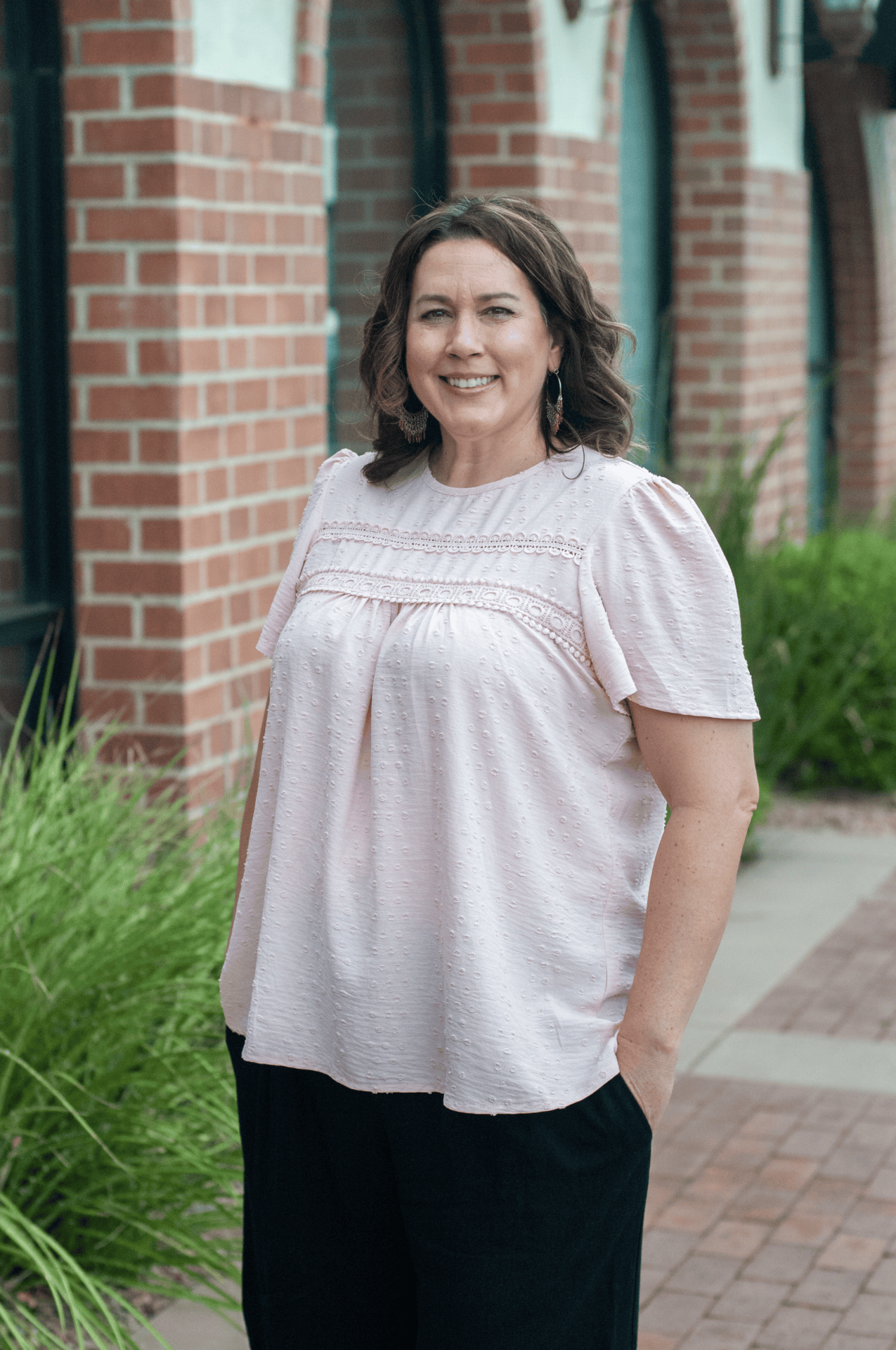
Mary Bruland, LCSW
Mary helps women and teens who feel anxious, discouraged, stuck in unhealthy relationships, or uncertain about who they are and where they are headed. Some have prayed about what they are facing or tried therapy before, yet still feel burdened by old wounds, self-doubt, difficult boundaries, or patterns they have not been able to change on their own.
Warm, grounded, and often humorous, Mary offers a welcoming place where you do not have to pretend, perform, or know exactly what to say. She combines honest exploration, practical skills, deeper emotional work, and gentle challenge to help you manage anxiety, understand recurring patterns, strengthen relationships, and begin seeing yourself and your future differently.
Mary is a Christian therapist who welcomes people with an active relationship with Jesus, those who have stepped away from faith, and those who are curious about God. When requested, she can naturally incorporate prayer, Scripture, God’s perspective, and Christian resources. She will also honor your choice to keep counseling focused solely on psychotherapy.
Does this sound like you?
You do not need to relate to everything here. One familiar experience may be enough to consider whether Mary could be a good fit.
You are not sure who you are beneath other people’s expectations
You may have spent so much time meeting other people’s needs, keeping others happy, or becoming who you thought you should be that your own voice has become difficult to hear. You want to understand your strengths, values, identity, and purpose more clearly.
You keep finding yourself in unhealthy or painful relationship patterns
Dating, friendships, or family relationships may repeatedly leave you feeling unseen, rejected, betrayed, or responsible for holding everything together. You want to understand what keeps repeating and learn what a healthier relationship can look and feel like.
You want stronger boundaries but worry about what setting them could cost you
Saying no, expressing a need, or addressing a problem may bring guilt, anxiety, or fear of disappointing someone. You want to communicate more clearly, protect what matters, and remain connected to others without abandoning yourself.
Anxiety keeps you overthinking, second-guessing, or preparing for what could go wrong
Worry may affect your decisions, relationships, sleep, or ability to feel present. You want practical tools for managing anxiety while also understanding the experiences and patterns beneath it.
You have tried therapy before but never felt safe enough to really open up
You may have felt judged, rushed, overly analyzed, or unable to connect with a previous therapist. You want counseling to feel natural, welcoming, and collaborative—with room to build trust before talking about the experiences that are hardest to share.
You have prayed about what you are carrying, but you are still struggling
Your faith matters to you, yet anxiety, painful patterns, or difficult emotions have not simply disappeared. You want a Christian therapist who can naturally include God’s perspective, prayer, Scripture, and Christian resources alongside thoughtful clinical work.
What it feels like to work with Mary
A natural, relational process where you can feel safe, be honest, and still be challenged to grow.
Mary brings a peaceful, grounded, caring, and nurturing presence into therapy. She wants sessions to feel welcoming and relaxed—a place where you can talk openly without judgment, be authentically yourself, and make room for humor when it helps difficult work feel more human.
Mary typically begins by listening, exploring, and meeting you where you are. As trust develops, she helps you look beneath the immediate concern to understand the experiences, beliefs, relationships, and patterns that may still be affecting your life. She offers encouragement and practical support while also gently challenging you to imagine and work toward something healthier.
Read more about Mary’s style ↓
Therapy with Mary does not follow the same formula every week. Depending on what feels most pressing and what you are working toward, a session may include exploration, emotional processing, grounding, psychoeducation, skill building, or deeper psychotherapy. She adapts the work to what you need rather than expecting you to fit one rigid approach.
Mary may draw from EMDR, Deep Brain Reorienting, Somatic Experiencing, IFS and parts work, Cognitive Behavioral Therapy, Dialectical Behavior Therapy, attachment-based therapy, Solution-Focused Therapy, Motivational Interviewing, and psychoeducation. These approaches can help you understand emotional triggers, recognize unhealthy thoughts and behaviors, regulate difficult emotions, strengthen boundaries, and respond to relationships and life challenges differently.
Mary also takes a holistic view of healing, exploring how physical, emotional, mental, relational, and spiritual health may affect one another. When you want Christian counseling, she can naturally include God’s perspective, prayer, Scripture, and Christian resources in ways that support your treatment goals. If you prefer to focus solely on psychotherapy, she will honor that choice.
Mary sees therapy as a collaborative relationship. She will walk beside you, believe change is possible, and celebrate your progress—but she will not treat you as someone who needs to be “fixed.” You remain an active participant in discovering what healing and meaningful change look like for you.

- A warm, grounded, and nonjudgmental presence
- Time to build trust and open up at your own pace
- Practical tools, gentle challenge, and room for humor
- Christian faith integrated naturally when you want it included
Specialized areas of focus
Where Mary brings particular depth
Healthy relationships + boundaries When keeping the peace, meeting expectations, or caring for others has made it difficult to recognize and express your own needs. Explore this specialty Close specialty
You may recognize that a relationship is not healthy, yet still feel uncertain about what needs to change. Perhaps you avoid conflict, take responsibility for other people’s emotions, or stay quiet about your own needs because you fear rejection, disappointing someone, or damaging the relationship.
Mary helps clients recognize the thoughts, behaviors, and earlier experiences that may be shaping their present relationships. Together, you can strengthen communication, understand what healthy connection looks like, and develop boundaries that protect your well-being without requiring you to become hardened or disconnected.
Anxiety, past wounds + emotional regulation When worry, negative thoughts, emotional overwhelm, or earlier experiences continue to affect how safe and steady you feel today. Explore this specialty Close specialty
Anxiety may show up as racing thoughts, physical tension, difficulty sleeping, fear of making the wrong decision, or a constant need to prepare for what could go wrong. At times, your reactions may feel larger than the present situation because your body is responding to experiences and patterns formed much earlier.
Mary helps clients understand what may be underneath their symptoms while also developing practical ways to manage anxiety and regulate difficult emotions. When appropriate, she may draw from EMDR, Deep Brain Reorienting, Somatic Experiencing, IFS and parts work, CBT, DBT, grounding, and psychoeducation to help you experience the past differently rather than allowing it to keep defining the present.
Identity, self-worth + life transitions When you are questioning who you are, what you have to offer, or what direction your life should take next. Explore this specialty Close specialty
Questions about identity can emerge during adolescence, college, career decisions, relationship changes, or any season that makes an old role or direction feel uncertain. You may appear capable from the outside while privately wondering who you are, what matters to you, or whether you can trust yourself to choose what comes next.
Mary helps clients separate their own voice from negative self-talk, outside pressure, and beliefs that have made their worth feel dependent on performance or approval. She helps teens and adults recognize their strengths, discover what matters to them, and take meaningful steps toward healthier relationships, greater confidence, and a clearer sense of direction and purpose.
Christian counseling for real-life struggles When you love Jesus—or are curious about God—but prayer alone has not resolved the anxiety, patterns, or pain you are carrying. Explore this specialty Close specialty
You may sincerely want to live according to your faith while continuing to struggle with anxiety, negative thoughts, unhealthy relationships, identity questions, or behaviors that do not reflect the life you want. You may have prayed, sought Biblical counsel, or tried traditional talk therapy and still feel unsure how emotional healing and faith fit together.
Mary is a Christian therapist who can integrate God’s perspective, prayer, Scripture, Christian books and resources, and faith-based reflection into clinical work. Depending on your beliefs, comfort, and treatment goals, conversations may also include spiritual warfare or healing-ministry resources. These elements are included collaboratively rather than assumed.
Mary also welcomes clients who have stepped away from their relationship with Jesus, are curious about God, or do not want faith directly included in therapy. She will ask what role you want faith to play and honor your choice throughout the counseling process.
A deeper look at the work
Explore more of Mary’s specialties
The concern bringing you to therapy may touch several areas of your life. Explore the topics below for a fuller sense of the clients and concerns Mary is especially equipped to support.
Anxiety, worry + emotional overwhelm When overthinking, physical tension, or fear of making the wrong decision makes it difficult to feel calm and confident.
Anxiety can show up as racing thoughts, physical tension, difficulty making decisions, irritability, disrupted sleep, or a constant sense that something needs your attention. You may replay conversations, anticipate problems, or question yourself long after making a decision.
Mary helps you understand what may be intensifying your anxiety and how your thoughts, emotions, relationships, stressors, earlier experiences, and physical well-being may be affecting one another. She offers a grounded place to slow down and notice what is happening without judging yourself for it.
Using grounding, emotional-regulation skills, psychoeducation, cognitive strategies, and body-aware approaches, Mary helps clients respond to anxiety with greater steadiness and develop tools they can continue using when future challenges arise.
Depression, discouragement + disconnection When motivation, hope, energy, or enjoyment has become difficult to access.
Depression does not always mean you have stopped functioning. You may continue working, attending school, caring for other people, and meeting expectations while privately feeling tired, numb, discouraged, lonely, or disconnected from yourself.
Mary offers space to talk honestly about how life has felt without minimizing the weight of what you are carrying. She helps clients recognize the thoughts, experiences, relationships, and behavior patterns that may be contributing to hopelessness or harsh self-criticism.
Together, you can develop practical ways to care for yourself, reconnect with support and meaning, recognize your strengths, and begin taking manageable steps toward greater engagement and hope. Mary will believe change is possible with you until you can begin believing it for yourself.
Trauma, painful memories + emotional wounds When something from the past continues shaping how you feel, respond, or relate in the present.
Painful experiences can continue affecting self-worth, relationships, emotional reactions, and your sense of safety long after the experience itself has ended. You may understand what happened intellectually while still feeling pulled into old fear, shame, avoidance, or protective patterns.
Mary approaches this work gently and at a pace that respects your readiness. She helps clients understand how earlier experiences may be influencing present beliefs and reactions while strengthening the resources needed to remain grounded during deeper work.
When appropriate, Mary may incorporate EMDR, Deep Brain Reorienting, Somatic Experiencing, IFS and parts work, attachment-based therapy, and other trauma-informed approaches. The goal is not to erase your story, but to help you experience the past differently so it does not continue defining your present and future.
Career direction, workplace stress + burnout When work is draining your energy, challenging your confidence, or leaving you uncertain about what should come next.
Workplace pressure, difficult professional relationships, bullying, burnout, or uncertainty about your career can affect far more than the hours you spend at work. You may question your abilities, struggle to disconnect at the end of the day, or feel caught between remaining in an unhealthy situation and making a change that feels risky.
Mary helps clients examine how stress, expectations, communication patterns, boundaries, identity, and self-worth may be affecting their professional lives. She offers a place to think through difficult interactions and decisions without pressuring you toward one particular outcome.
Together, you can identify your strengths, clarify what matters to you, strengthen workplace boundaries and communication, and develop practical next steps toward a professional life that feels more sustainable and purposeful.
Teens 15+, college students + young adults When school, relationships, identity, independence, and decisions about the future all feel important at once.
Adolescence and young adulthood bring pressure from many directions. School demands, friendships, family expectations, social comparison, dating, and uncertainty about the future can leave teens and young adults feeling anxious, discouraged, angry, overwhelmed, or unsure of themselves.
Mary creates a respectful, nonjudgmental space where young people can speak honestly without feeling lectured or reduced to a problem that needs to be fixed. She works well with teens who are anxious, depressed, withdrawn, angry, struggling with self-esteem, navigating peer or family conflict, or trying to understand their identity.
Counseling may include emotional regulation, coping skills, communication, healthy boundaries, school stress, relationships, and planning for the future. When clinically appropriate, Mary can include limited parent consultation in support of the teen’s goals while keeping the teen’s individual counseling relationship at the center of the work.
Life transitions, purpose + uncertain next steps When you know something needs to change but cannot yet see the direction forward.
You may feel stuck in a career, relationship, role, or season of life that no longer feels right. Even positive transitions can disrupt your routines and sense of identity, leaving you uncertain about what you want or how to make the next decision.
Mary helps you slow down and explore what lies beneath the confusion. Together, you can consider your values, strengths, responsibilities, relationships, faith, and the expectations that may be influencing your choices.
You do not need to have the entire future figured out before beginning. Therapy can help you clarify what matters now, identify internal and practical barriers, and take meaningful steps toward a life that feels more intentional and aligned with your values and purpose.

Christian counseling with Mary
A place to heal emotionally and spiritually without having to separate one from the other.
Mary offers Christian counseling for women and teens who specifically want faith included in therapy. As both a licensed psychotherapist and a mature believer, she can integrate Scripture, prayer, Biblical reflection, and conversation about your relationship with God while also using evidence-based approaches to address anxiety, depression, trauma, relationships, identity, and emotional health. Faith is never imposed, used to minimize emotional pain, or offered as a substitute for the deeper work of healing.
How Mary can incorporate faith when requested ↓
If you would like faith included
Mary begins with your goals, beliefs, and preferences. Some clients want Christian faith to be openly present throughout counseling. Others prefer prayer, Scripture, or spiritual reflection to be included only when a particular concern connects naturally with their faith.
Depending on what feels meaningful to you, sessions may include prayer, Biblical encouragement, identity in Christ, grace, hope, discernment, forgiveness, purpose, or conversation about your relationship with God. Mary can help you explore how faith influences the way you understand yourself, your relationships, your pain, and the choices in front of you.
Spiritual conversation is not added according to a formula or forced into every concern. It can become a natural and thoughtful part of therapy when it genuinely supports the healing and growth you want to pursue.
Healing that goes beneath the surface
Mary believes meaningful change often involves more than managing thoughts, emotions, or behaviors at the surface. Therapy can also explore the experiences, beliefs, wounds, and relationship patterns beneath what you are currently feeling.
For clients who desire Christian counseling, this deeper work may include inviting God into places of pain, shame, confusion, or fear. Faith can offer a foundation for identity, hope, and restoration while evidence-based therapy provides practical tools for emotional and relational health.
Prayer and Scripture are not used to bypass grief, anger, anxiety, trauma, or difficult decisions. Emotional honesty, nervous-system regulation, healthy boundaries, and practical change remain meaningful parts of the counseling process.
Spiritual wounds, questions + rebuilding trust
Your spiritual story may include disappointment, doubt, harmful religious messages, controlling environments, or experiences that made it difficult to trust God, other people, or your own perceptions. You may still value your faith while feeling uncertain about what belongs to God and what came from the expectations of others.
Mary offers a nonjudgmental place to explore these experiences without pressure to defend a faith community, quickly forgive, or reach a predetermined conclusion. You can talk honestly about what happened, how it affected you, and what you now believe or question.
For some clients, this work supports renewed connection with God. For others, it creates room to separate deeply held faith from shame, fear, manipulation, or messages that caused harm. Mary respects the pace and direction of your process.
Your preferences remain central
Mary follows your lead regarding whether and how faith becomes part of counseling. You can request direct Christian integration, ask for faith to be included only when relevant, or decide that you do not want spiritual content included in therapy.
Your preferences may also change over time. You remain free to ask for more or less spiritual conversation depending on what feels supportive during a particular season or session.
Mary welcomes clients from all faith backgrounds and provides respectful, quality counseling regardless of belief. Christian counseling is available as a resource for those who specifically request it, never assumed or imposed.
Professional details
A closer look at Mary’s practice
Review Mary’s education, therapeutic approaches, client fit, and practical session information.
Credentials + education Licensed Clinical Social Worker in Arizona
LCSW-23489
Advanced Direct Practice with Children and Families
Arizona State University, 2012
Sociology and Anthropology
Swarthmore College, 2001
Mary’s professional experience includes behavioral health counseling, crisis support, pediatric medical social work, university teaching, mentoring, nonprofit leadership, and work with children, teens, young adults, women, and families.
Therapeutic approaches Flexible, holistic, trauma-informed + relational
Mary uses an integrated approach rather than applying the same formula to every client or session. She considers your goals, personality, relationships, current stressors, physical health, emotional well-being, support system, and spiritual life when deciding how to approach the work.
Some sessions may focus on practical coping skills, current decisions, communication, or psychoeducation. Others may explore the roots of a painful pattern, earlier experiences, or the beliefs you carry about yourself. When appropriate, Mary may incorporate trauma processing, parts work, body-aware approaches, grounding, emotional-regulation skills, and cognitive strategies.
Who Mary works with Teens 15+, young adults + women • Individual counseling
Common areas of work
- Anxiety, depression, stress, and emotional overwhelm
- Trauma, painful memories, and past experiences that continue affecting the present
- Healthy boundaries, communication, and relationship patterns
- Self-esteem, identity, rejection, and negative self-talk
- Teen concerns, school stress, peer relationships, and family conflict
- Life transitions, career direction, workplace stress, and burnout
- Coping skills, emotional regulation, and resilience
- Christian counseling, church hurt when it arises, and questions about faith
Therapy may fit particularly well if
- You want a therapist who is warm, grounded, relational, and nonjudgmental.
- You need time to feel emotionally safe before opening up.
- You have tried therapy before and are unsure whether it can help.
- You want to understand the roots of a pattern rather than only manage what appears at the surface.
- You appreciate practical tools alongside deeper emotional processing.
- You value encouragement, honest feedback, gentle challenge, and room for humor.
- You want an active, collaborative role in the counseling process.
- You may—or may not—want Christian faith included in counseling.
Mary provides individual counseling for teens age 15 and older, young adults, and women. Limited parent consultation may be included when clinically appropriate to support a teen’s counseling goals. For clients under 18, Joshua Tree schedules the first appointment as a parent-only session.
Office + session details La Cholla • In person + telehealth when appropriate • $120
Tucson, AZ 85741
View map
Joshua Tree is a private-pay practice. A credit or HSA card must remain on file.
12:00 PM–7:00 PM
Friday
9:00 AM–6:00 PM
Two Saturdays each month
9:00 AM–1:00 PM
View availability

Mary, in a few words
A little more about Mary ↓
Mary grew up in Tucson and later attended a small liberal arts college in Pennsylvania, where she played basketball, lacrosse, and rugby. Outside of counseling, she enjoys traveling, hiking, fitness, reading, exploring new activities, watching comedy, and spending time with family, friends, and her dog.
Mary’s adventurous side has led her to mud runs and inflatable obstacle courses, as well as attempts at salsa, country, and flamenco dancing—though she is quick to say she is not an expert. She values balance, meaningful relationships, new experiences, and plenty of room for humor.
What most energizes Mary is seeing people grow in their relationship with Jesus, experience greater healing and freedom, recognize their strengths and gifts, and build healthier, life-giving relationships. She brings that same hope into therapy and genuinely believes meaningful change is possible, even when a client cannot yet believe it for themselves.
How therapy may unfold
A natural, collaborative process that begins where you are and helps you move toward meaningful change
Build safety and trust
Begin with what feels most important now and what you hope could become different. Mary takes time to understand you, your goals, and what you need from therapy. You do not have to tell your entire story, find the perfect words, or discuss the hardest experiences before you feel ready.
Understand what is underneath
Explore how earlier experiences, relationships, beliefs, stressors, physical responses, and learned ways of surviving may be affecting what is happening today. Greater understanding can reduce shame and help you recognize patterns, needs, strengths, and choices that were previously difficult to see.
Take an active role in change
Turn insight into action by practicing new skills, responding differently to negative thoughts, strengthening boundaries, communicating more clearly, and making choices that reflect your values and goals. Mary supports, encourages, and gently challenges you while keeping you in an active role throughout the process.
Healing is not always linear. Mary will walk alongside you, celebrate your progress, and continue believing change is possible until you are able to believe it for yourself.
You can begin as you are
You do not have to pretend to be something you’re not in therapy.
You do not need the perfect words, complete clarity, or certainty that therapy will help before scheduling. If you have struggled to open up in counseling before, feel anxious about sharing what is really going on, or worry that you will be judged, Mary will meet you where you are. You can begin with what feels most pressing and allow trust to develop over time. A first appointment is an opportunity to explore whether the relationship feels right—not a commitment to continue if it does not.