On alert
Feeling tense, startling easily, sleeping poorly, or finding it difficult to settle even when things seem calm.

Trauma therapy in Tucson can begin with what still hurts. Christian trauma therapy in Tucson is available when you want faith included.
Although the past is over, you may still feel caught in it. For example, you might feel on guard, far away, or responsible for keeping everyone else okay. Even when you understand these reactions, changing what happens inside can take more support.
Trauma therapy is a major specialty at Joshua Tree Counseling. Across our collective, clinicians offer approaches such as DBR, EMDR, and parts work for complex trauma, attachment wounds, and dissociation. With this in mind, we consider which approach fits your history and what you need now.
Although trauma may involve the past, its effects can show up in your reactions, relationships, and everyday life. For example, you may notice the patterns below. Even if only a few experiences feel familiar, you can reach out for support.
Feeling tense, startling easily, sleeping poorly, or finding it difficult to settle even when things seem calm.
Reminders may also bring unwanted memories, nightmares, or strong reactions. As a result, you may avoid things connected with what happened.
Feeling numb, detached, or unreal. For instance, you may feel disconnected from your body, emotions, or people you care about.
You may feel shame or blame, as well as doubts about your worth or difficulty feeling close to others. You may also find it hard to enjoy your life.
Because these experiences can have several causes, a therapist can help you understand what they mean for you.
Childhood trauma can include experiences such as abuse, neglect, unpredictable caregiving, and abandonment. It can also involve years spent adapting to circumstances you could not change.
Traumatic events may include assault, accidents, medical experiences, or violence, as well as sudden or traumatic loss.
Relational trauma can involve harm such as coercive control, betrayal, abusive relationships, or religious manipulation within communities you once trusted.
Combat, line-of-duty incidents, repeated exposure to suffering, and the strain of staying capable while carrying difficult experiences.
Some trauma follows a single event. In contrast, other experiences happen repeatedly, within close relationships, or while you depend on the people who are hurting you.
Because you had to adapt, you may have learned to watch every mood, keep your needs small, stay useful, or disconnect. As a result, these ways of coping can stay with you long after your circumstances change.
Because these patterns can persist, trauma therapy at Joshua Tree makes room for deeper work. With this in mind, your therapist explores what helped you survive and what remains painful. The work also considers your relationships, your body's responses, and what you want to change.
Although methods matter, trauma therapy also depends on the relationship you build with your clinician. Equally important are how your therapist listens, responds, and respects your limits. Your goals and preferences also help shape the work.
To begin with, share what brings you in and what feels manageable. Discuss what has helped or hurt before. You can also talk about whether and how faith belongs in your care.
Your therapist helps you understand your reactions so you can choose an approach suited to your needs. For example, grounding, emotional regulation, and processing may be woven together.
During therapy, notice what changes in your relationships, boundaries, reactions, and daily life. Revisit your goals together so the work stays connected to what matters to you.
Because people's needs differ, trauma therapy in Tucson can involve different methods. For instance, Joshua Tree therapists draw from trauma-focused, relational, and body-aware approaches. Your clinician then explains the options and considers your preferences, readiness, and goals.
Careful attention to the body's early responses to threat and attachment disruption.
DBR is a trauma psychotherapy designed to follow the body's responses to overwhelming experiences. During this work, a trained therapist helps you attend to subtle tension, shock responses, and emotions as they arise.
Because pacing matters, the work emphasizes remaining present as you notice these responses. Several Joshua Tree clinicians also include DBR in their work. Before choosing a DBR therapist, review their profile for approaches and training.
Find a therapist who works with DBREye Movement Desensitization and Reprocessing is a structured therapy for processing distressing memories. During this approach, you attend to an experience while using alternating movements, sounds, or taps.
Approaches such as Ego State Therapy and Internal Family Systems explore different inner experiences, protective responses, and needs. In other words, these approaches invite curiosity and cooperation among parts of your inner world.
TMT explores how traumatic experiences relate to current emotional and psychological difficulties. For example, your therapist may use it to connect your history with patterns you notice today.
Our clinicians bring different strengths to complex trauma, attachment, and dissociation work. For Christian trauma therapy in Tucson, also explore how each therapist approaches faith integration alongside clinical care.
Profiles also include training, fees, session formats, and availability. Before requesting a session, use these introductions as a starting point.

Rachel works with complex trauma, dissociation, and DID. During therapy, she uses DBR, Trauma Model Therapy, and Ego State Therapy with a direct, relational approach.
Explore Rachel's profile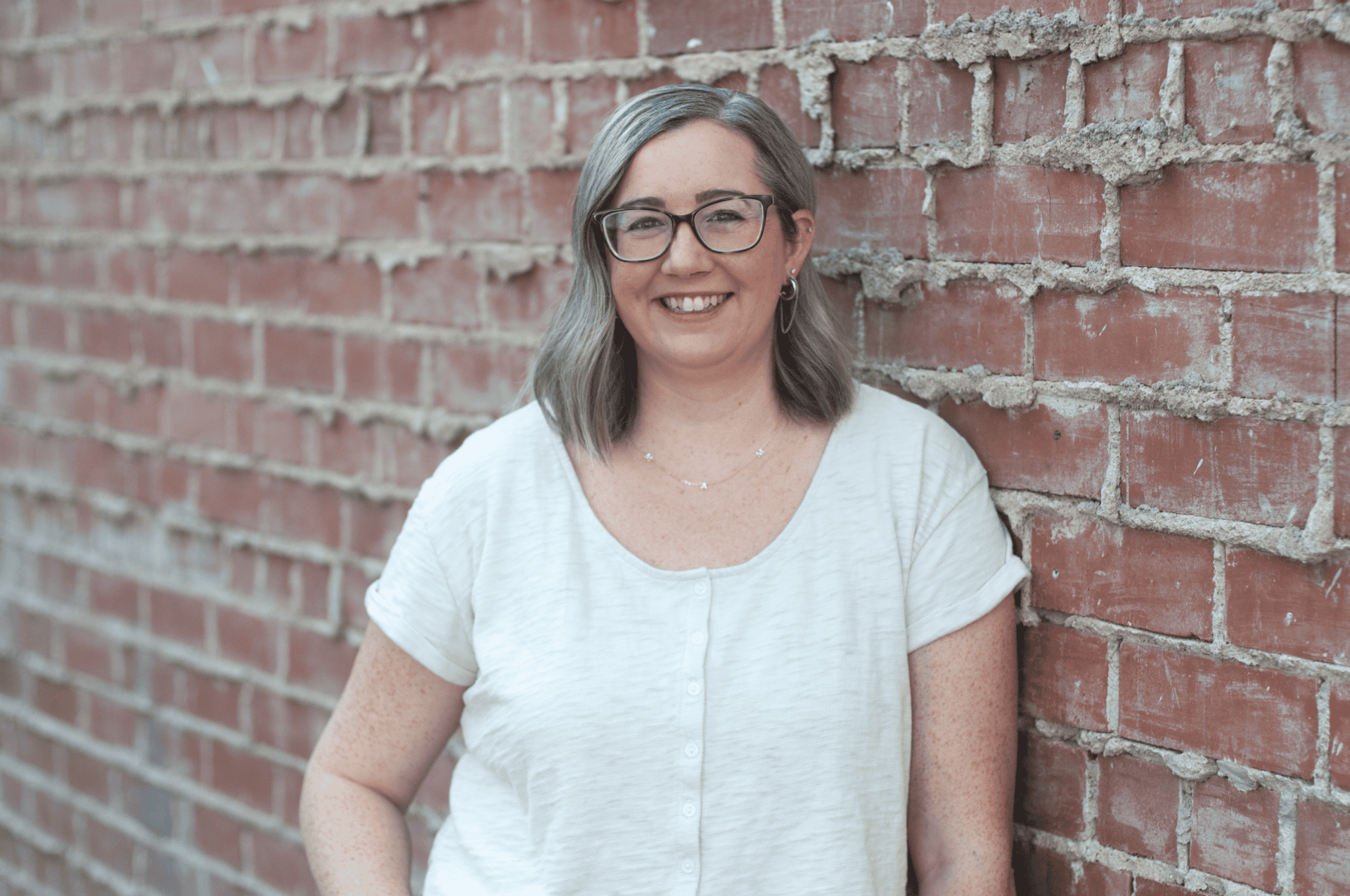
Natalie works with trauma, childhood and sexual abuse, and dissociation. Her warm, engaged approach also includes DBR, EMDR, and parts work.
Explore Natalie's profile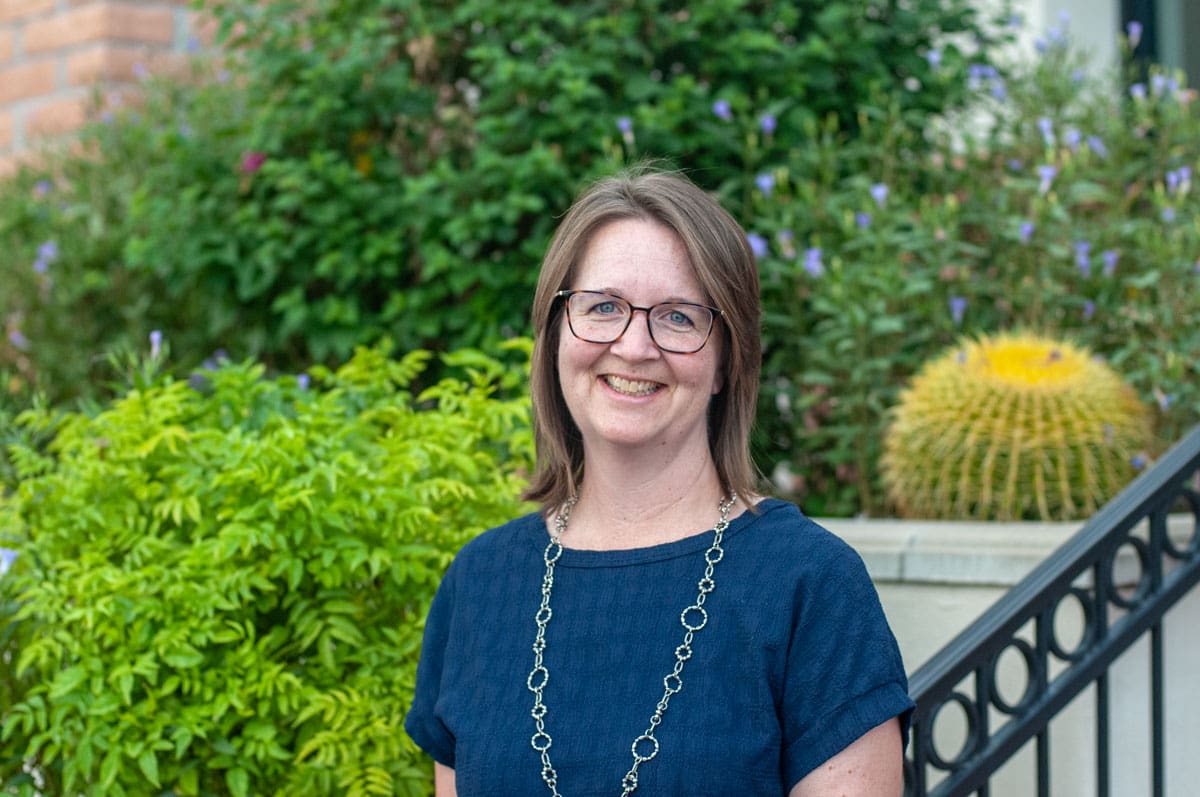
Becca works with complex trauma, dissociation, attachment wounds, and grief. During sessions, she uses DBR, EMDR, somatic attention, and parts work with a gentle pace.
Explore Becca's profile
Shari works with complex trauma, attachment, and spiritual abuse. Her steady care draws on methods such as EMDR, Ego State Therapy, IFS, and body-aware approaches.
Explore Shari's profile
Josette works with trauma, attachment wounds, and adoption-related experiences. Her practical, attuned approach may also include DBR and somatic work.
Explore Josette's profile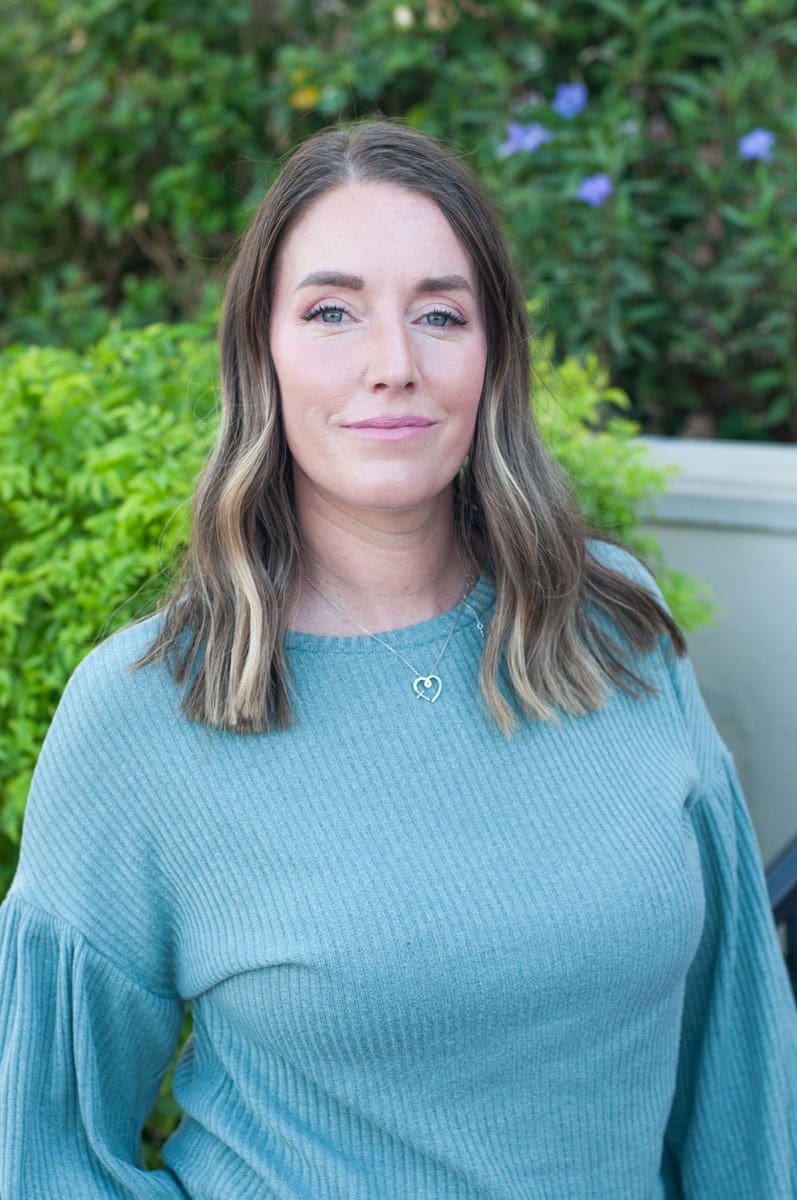
Lauren works with trauma, attachment, and difficult family dynamics. During therapy, she draws on DBR, TMT, and relational approaches with a direct, purposeful style.
Explore Lauren's profile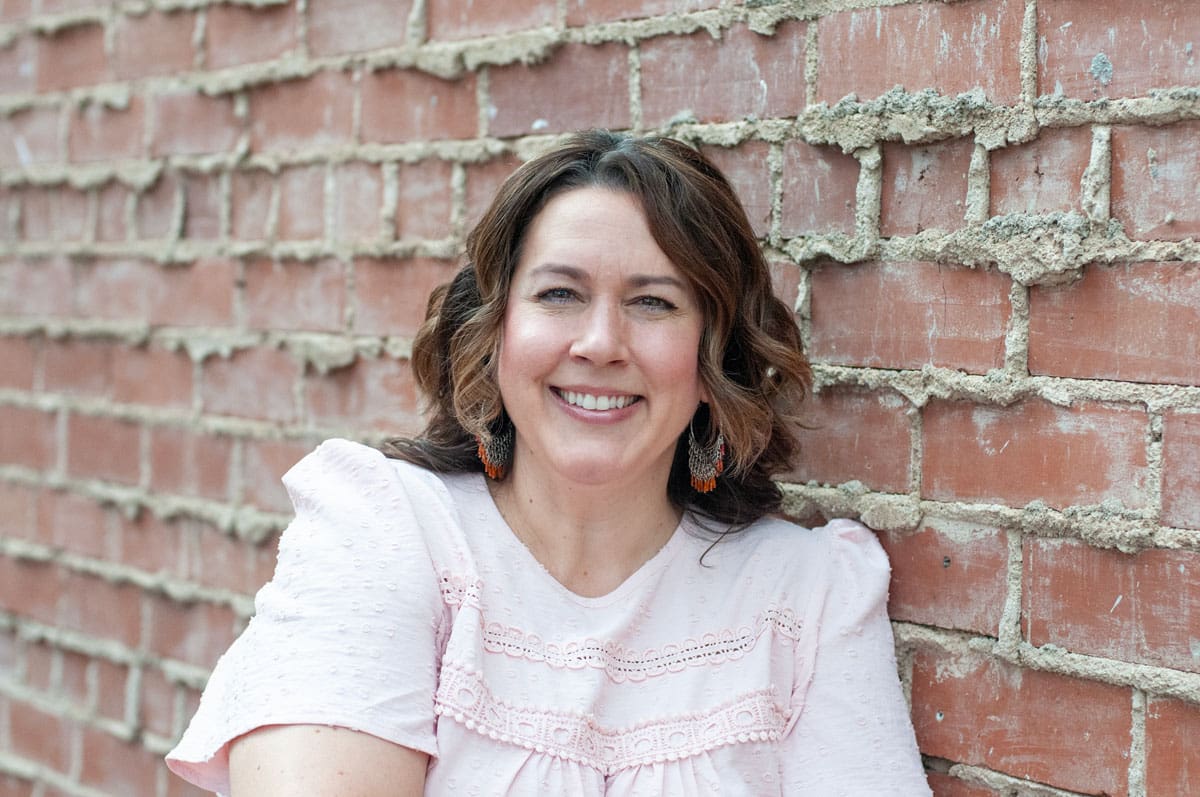
Mary works with trauma, painful memories, boundaries, and relationship patterns. When appropriate, her gentle, collaborative approach includes EMDR, DBR, and parts work.
Explore Mary's profileNeed help narrowing the options?
Kelly can also help you narrow the options based on your concerns, age, preferences, and practical needs.
Joshua Tree is a collective of Christian counselors. During Christian trauma therapy in Tucson, faith can be included alongside attention to your history, body, and questions. For example, you can ask to include prayer, Scripture, or spiritual concerns in clinical care.
You decide whether and how faith becomes part of your sessions. Therapy without faith integration is equally welcome. Your preferences may also change as the work unfolds.
If spiritual abuse is part of your story, there is room to name it honestly. For example, you can explore questions, doubt, anger, and grief. Instead, you can speak openly without defending a religious community or arriving with certainty about what you believe.

Ordained Chaplain · Board-Certified Pastoral Counselor
Adults 18+ · La Cholla + online options
Painful experiences can shape how you see yourself, relate to others, and understand God. Tammy also offers a Christ-centered, story-centered place to explore grief, relational wounds, and questions that still feel unfinished.
During pastoral counseling, Tammy brings together attentive listening, biblical reflection, prayer, and conversation about your story. For example, you can explore identity in Christ, trust, belonging, and what you hope to carry forward.
Pastoral counseling + soul care. Tammy's work does not provide clinical diagnosis or psychotherapy. If you are seeking clinical trauma treatment, explore the licensed therapists above.
Before you choose, consider each clinician's training, areas of focus, and way of relating. If faith matters to you, also consider how the clinician makes room for your beliefs and questions.
Then check the counselor's fee, location, session format, and availability. If you are unsure, Kelly can help.
Finally, use the booking link on the counselor's profile. If they are taking waitlist requests, explore that option or ask about another fit.
In addition to online options, our La Cholla and Oracle offices offer in-person trauma therapy in Tucson. Select clinicians also offer telehealth for clients in Arizona. Before choosing, confirm first-session requirements and suitability with your therapist.
Fees vary by counselor, so review the payment details before booking. Credit card payment and a card on file are required. Review fees and payment or see how to get started.
No. Although PTSD is one reason people seek trauma therapy, you do not need that diagnosis to reach out. During your first sessions, a clinician can help you understand your experiences and which kind of care fits.
To begin with, share what brings you in now and what feels manageable. Because methods differ, ask how your therapist approaches memories and reactions. Discuss your limits before deciding together how to proceed.
Before choosing an approach, tell your therapist about feeling disconnected, losing time, or what did and did not help in previous treatment. These details matter because they help you choose an approach and pace. If dissociation is a major concern, look for a clinician who specifically addresses it. However, not every trauma therapist treats dissociative disorders.
Select counselors also work with teens; their profiles list age ranges and areas of focus. Before a teen begins therapy, the first session for clients under 18 is parent-only. Explore teen counseling or ask Kelly for help choosing a clinician.
Some clinicians also offer trauma therapy and Christian trauma therapy online for clients physically located in Arizona. However, suitability, availability, and first-session requirements depend on the clinician and your needs. Explore Arizona telehealth and confirm the details with your chosen therapist.
If your chosen counselor is accepting waitlist requests, you can join the waitlist. However, timing depends on their openings. Kelly can also help you understand current options, discuss cancellations, or consider another clinician who may fit.
Although you may not know where to start, you might sense that getting through life is costing too much. Even so, you do not need all the answers before reaching out. With this in mind, trauma therapy in Tucson can begin with finding a possible fit.