Trauma + overwhelming experiences
- Traumatic experiences
- Shock trauma
- Complex trauma
- PTSD + complex PTSD (cPTSD)
- Medical trauma
- Preverbal trauma

DBR therapy in Tucson at Joshua Tree offers a way to work with trauma and attachment wounds through Deep Brain Reorienting. This approach pays attention to the early bodily responses connected to painful experiences.
You may understand why you brace, shut down, or feel suddenly alone. Yet the reaction still happens. DBR brings careful attention to what unfolds beneath the explanation.
Developed by psychiatrist Dr. Frank Corrigan, DBR is a trauma psychotherapy informed by a model of how the brain and body respond to threat and disruptions in connection. It pays particular attention to responses that may begin before you consciously recognize an emotion.
For example, a facial expression, a sudden sound, or a moment of disconnection may catch your attention. In DBR, the therapist helps you notice the subtle bodily tension associated with that first orienting response, then carefully follows what emerges.
By working with the body’s early responses to threat and disconnection, DBR aims to support a greater felt sense of trust, stability, and belonging.
During DBR therapy in Tucson, your therapist follows the unfolding bodily response, paying attention to orienting tension and any shock before moving with the pain or emotions that emerge.
Something catches your attention. Subtle tension may appear around your eyes, forehead, or neck.
A bodily shock response may arise before you can name a feeling. Your therapist helps you notice it slowly.
Attachment experiences may carry an ache of rejection, humiliation, or profound aloneness.
Grief, fear, anger, or other feelings may emerge as the experience unfolds with therapeutic support.
This is a simplified picture of the DBR framework. Each person’s experience is different, and every element does not appear in every session.
First, your therapist helps you settle into an awareness of being here, in the present. Together, you choose a specific current trigger or an aspect of a known difficult experience to work with. You do not need to give an exhaustive account of your history.
Then, your therapist guides attention toward subtle bodily responses and helps you stay with the process at a manageable pace. There may be quiet stretches, sensations, feelings, or shifts that are difficult to explain immediately. You can say when you need to pause or when something feels like too much.
What brings you here
DBR focuses on trauma and attachment wounds, including the shock, disconnection, and emotional pain that can continue shaping daily life. Depending on your history and needs, it may be used in therapy for the concerns below.
This list includes both researched and emerging clinical uses; research support varies by concern. Your therapist will help determine whether DBR, another approach, or coordinated care fits your needs. You do not need to fit neatly into one category to ask for help.
Our approach to DBR therapy in Tucson recognizes that understanding your history does not always change what happens inside. You may know why you brace for rejection, shut down during conflict, or feel alone, and still find your body responding before you have time to think.
Some painful experiences happened before you had words for them. Others were too overwhelming to make sense of at the time. Their effects may now show up as bodily tension, emotional numbing, shame, or difficulty feeling safe in relationships.
DBR fits our approach because it gives careful attention to these early bodily responses. We move slowly, helping you stay connected to the present while following the sensations and feelings that emerge. Your feedback, boundaries, and relationship with your therapist remain part of the work.
The aim is for unresolved experiences to carry less intensity, with more room for ease in your body, connection in your relationships, and choice in daily life.
Trauma is a major specialty here. Our clinicians work with concerns such as complex trauma, attachment wounds, dissociation, and the effects of painful relationships, with specialties that vary by therapist.
Rachel Neville has completed DBR Levels I–III and continues advanced consultation focused on DBR. Each therapist brings their own training, experience, and scope to the work.
You can look for someone whose style fits you: direct, gentle, practical, spacious, or a blend. Our profiles help you understand the person offering the therapy.
We make room for trust to develop and pay attention when you become overwhelmed, go distant, or need to slow down. Your feedback helps shape how the work proceeds.
When you want Christian counseling, your therapist can make room for prayer, Scripture, spiritual questions, and your relationship with God alongside clinical care. DBR itself is a psychotherapy model; faith integration follows your preferences.
Questions, doubt, church hurt, and complicated feelings about faith are welcome. You can also choose therapy without faith integration.
Rachel, Natalie, Lauren, Becca, Josette, and Mary use DBR in their practices. Explore their profiles for a sense of their style, specialties, and the clients they work with.

Complex trauma, dissociation, and attachment wounds. Rachel uses DBR as a primary approach and brings a direct, deeply relational style.
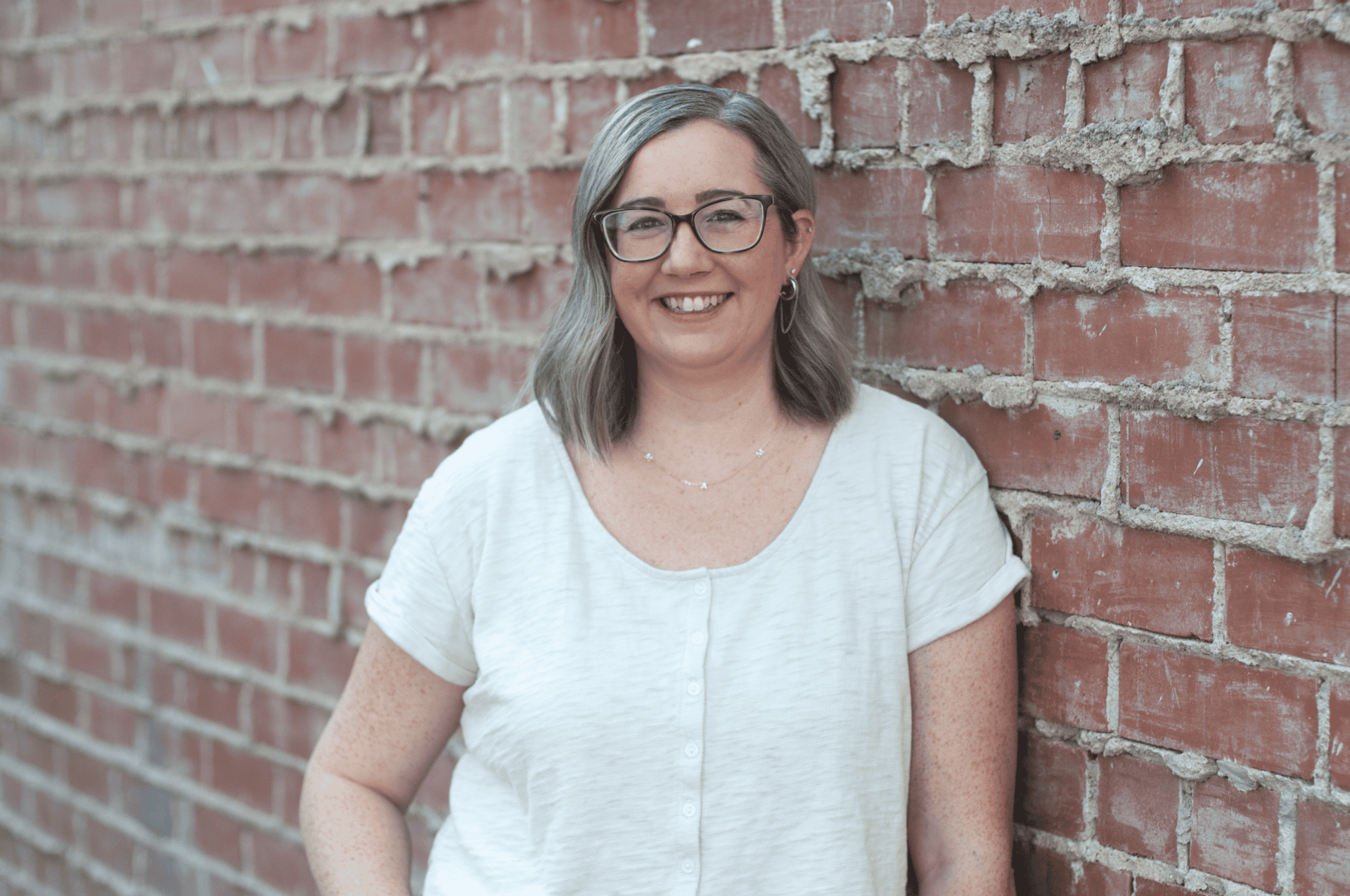
Trauma, dissociation, and attachment wounds for women. Natalie brings warmth, depth, honest feedback, and room for humor to the work.
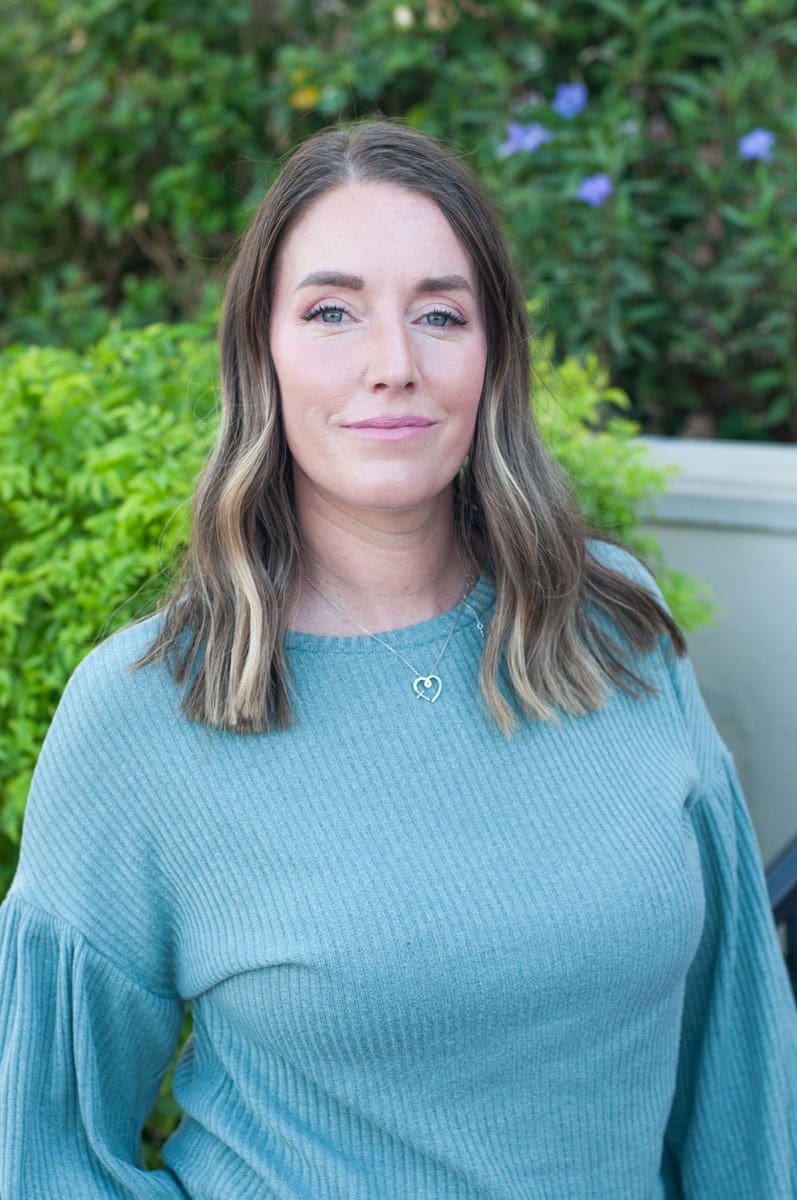
Trauma, dissociation, and attachment patterns for teens and adults. Lauren brings a direct, purposeful style that connects deeper work with practical support.

Complex trauma, dissociation, attachment wounds, and grief. Becca offers a calm, gentle, attuned approach for adults who carry a great deal inside.

Trauma and attachment wounds, including adoption-related experiences. Josette brings a steady, practical presence and respectful, gentle directness.
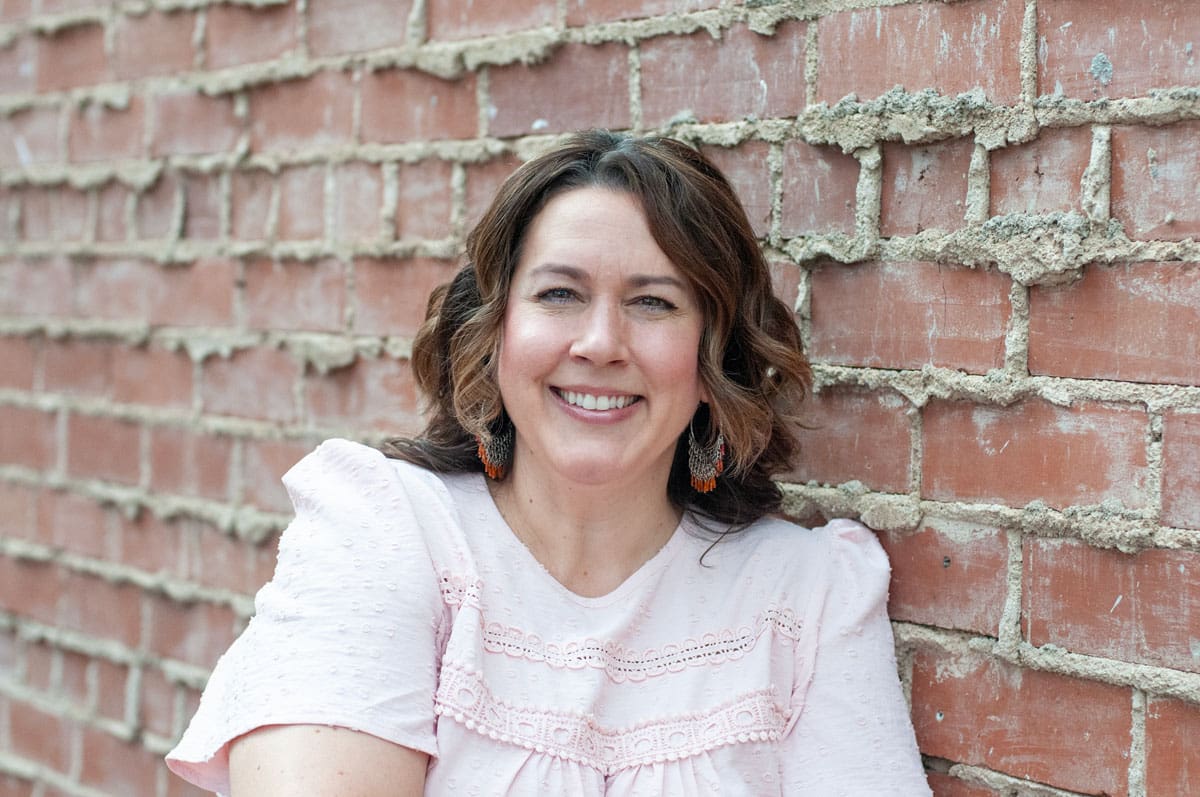
Painful experiences, anxiety, relationships, and self-worth. Mary combines warmth, practical support, and deeper processing when it fits your needs.
DBR training and clinical experience vary by therapist. Your clinician will discuss whether the model and session format fit your goals, history, and current needs. See individual profiles for fees and availability.
You do not need to decide on a treatment plan before reaching out. Start with a therapist whose experience and approach feel like a possible fit.
Compare the profiles above, including age groups, specialties, office location, fees, and session format. If you need help narrowing the options, Kelly can help.
Choose your counselor and a time through our secure booking portal. A valid credit card on file is required. Your appointment is confirmed after your request is reviewed and accepted.
Once your request is accepted, complete your intake information and e-sign all required documents at least 24 hours before your appointment. Incomplete paperwork results in automatic cancellation.
Joshua Tree is private pay. Fees and available appointment times vary by counselor. For minors, the first appointment is parent-only, and required consent must be completed before treatment.
Your first visit is a chance to discuss your needs, ask questions, and consider the approach together. Read the full getting started guide.
You do not need a complete timeline or a detailed retelling of every traumatic experience. Your therapist will ask enough to understand your needs and help identify a manageable starting point. You can discuss what feels difficult to share.
DBR can be offered remotely when clinically appropriate. Lauren, Josette, and Mary offer telehealth in their practices; ask your chosen therapist whether online DBR fits your circumstances. Mary’s telehealth services are for adults 18 and older, including the first session.
The pace and length of therapy depend on your history, goals, current support, and response to treatment. Your therapist will discuss a plan with you and review how the work is helping. DBR processing may begin after assessment and preparation.
You may have the words for it, or only a sense that something still hurts. If you are considering DBR therapy in Tucson, explore our therapists and take the next step with someone who feels like a possible fit.