

Josette Kehl, LCSW
If you are looking for an attachment therapist in Tucson, Josette offers a steady place to begin. In addition, she works with women, teens, children, adoptees, and adoptive parents navigating anxiety, depression, complex trauma, relationship wounds, infertility, and questions of identity and belonging.
Josette is direct but gentle, deeply attuned, and practical. She combines attachment-focused therapy, DBR, somatic work, and nervous-system regulation to help clients understand themselves, develop new skills, and experience meaningful change. For clients who desire it, she can directly and naturally incorporate Christian faith, Scripture, and prayer into the counseling process.
For clients under 18, the first appointment is a parent-only session.
Could Josette be the right attachment therapist for you?
You do not need to relate to everything. One familiar experience may be enough to keep exploring.
You know something is wrong, but you cannot quite name it
Things may feel out of control even when you cannot point to one clear cause. You may feel anxious, discouraged, ashamed, or unlike yourself and want help understanding what is happening beneath the surface.
Your past still shapes how you feel, respond, and connect
Early attachment wounds, trauma, rejection, or painful relationships may continue to affect your self-worth and nervous system. You want to understand these patterns without using your past as an excuse or remaining trapped by it.
Your teen is anxious, withdrawn, hurting, or hard to reach
Your child may be overwhelmed, depressed, self-critical, or struggling to express what is happening inside. You want a therapist who can earn their trust while also helping you respond with greater understanding and connection.
Adoption has raised questions of identity and belonging
You may be an adoptee trying to understand your story or an adoptive parent wanting to support your child well. Because of this, questions about attachment, loss, family, and where you belong may feel complicated, tender, or difficult to discuss.
You are looking for an infertility therapist in Tucson
Pregnancy loss, infertility, reproductive trauma, or decisions about adoption may have brought grief, uncertainty, or strain into your relationship. Therefore, an infertility therapist can offer room to process what happened, honor what has been lost, and help you consider a way forward together.
You want practical therapy that can also include your faith
You value a calm, structured approach with honest feedback and useful tools. If faith is important to you, you may also want Scripture, prayer, and Christian truth included directly and naturally in the healing process.
What it feels like to work with Josette
A calm, attuned attachment therapist in Tucson—and practical support for meaningful change.
A steady therapeutic relationship
Josette brings a steady, grounded, and nurturing presence into therapy. She makes a genuine effort to understand your experience and creates space for you to talk honestly about fear, shame, confusion, relationship pain, or the parts of your story you have struggled to explain.
At the same time, her style is direct but gentle, practical, and methodical. Josette offers validation without leaving you stuck, helping you gain insight, learn useful skills, and consider what may need to change. She takes your investment in therapy seriously and wants you to have a meaningful voice in the process.
Read more about Josette’s style

- A steady, calm, and deeply attuned presence
- Gentle, respectful honesty and direct feedback
- Practical structure, insight, and useful tools
- Genuine investment in your healing and progress
Specialized areas of focus
Attachment therapy, adoption support, and infertility counseling
Complex trauma + attachment wounds When experiences from the past continue to shape your nervous system, relationships, and sense of self. Explore this specialty Close specialty
How trauma lives beneath the surface
Trauma does not always appear as one clear memory or event. It may show up as anxiety, depression, shame, emotional overwhelm, self-criticism, relationship difficulties, or the persistent sense that something is wrong with you. For example, early attachment wounds, rejection, abandonment, or painful relationships can also leave the nervous system prepared for danger long after the original experience has passed.
As an attachment therapist in Tucson, Josette uses DBR, somatic awareness, parts work, and nervous-system regulation to help clients understand these reactions with greater compassion. In turn, she helps you connect present struggles to their deeper roots, process painful experiences at a tolerable pace, and develop new ways of responding without remaining defined by the past.
Teens + parent support When anxiety, depression, self-harm, trauma, or family stress has left a young person overwhelmed or hard to reach. Explore this specialty Close specialty
Supporting teens and their parents
Teens do not always have the language to explain why they are anxious, withdrawn, discouraged, angry with themselves, or emotionally overwhelmed. They may be navigating trauma, self-harm, friendship difficulties, identity questions, family conflict, or pressure they do not know how to manage. Meanwhile, parents may recognize that something is wrong while feeling uncertain about how to help.
Josette brings a calm, respectful presence that helps young clients feel understood without feeling pushed. She combines emotional processing with practical tools for regulation, communication, and coping. She also includes parent consultation when clinically appropriate, helping caregivers understand behavior through an attachment and nervous-system lens while protecting the trust needed for effective teen counseling.
Adoption, identity + belonging Support for adoptees and adoptive parents navigating attachment, loss, family relationships, and questions of belonging. Explore this specialty Close specialty
Questions of identity and belonging
Adoption can hold love, belonging, grief, disruption, and unanswered questions at the same time. Children, teens, and adult adoptees may wrestle with identity, attachment, rejection, loyalty, or the impact of early loss. Adoptive parents may feel unsure how to respond to behavior, strengthen connection, or make room for parts of their child’s story that they cannot fully understand.
As a TBRI® Practitioner and Making Sense of Your Worth facilitator, Josette approaches adoption with respect for both the adoptee’s experience and the caregiving relationship. Similarly, she helps families look beneath behavior, understand nervous-system and attachment needs, reduce shame, and build the safety and trust that allow connection to grow.
Infertility, pregnancy loss + reproductive trauma When loss, uncertainty, or a complicated path toward parenthood has affected your hope, identity, or relationship. Explore this specialty Close specialty
Grieving a complicated path toward parenthood
Infertility, pregnancy loss, and other reproductive experiences can bring grief that feels both deeply personal and difficult for others to understand. The uncertainty may affect your body, faith, identity, relationships, and sense of what the future will hold. In addition, couples may grieve differently or struggle to remain connected while facing decisions that carry significant emotional weight.
As an infertility therapist in Tucson, Josette supports women and couples processing reproductive trauma, pregnancy loss, infertility, or questions about adoption. She offers a steady place to name the grief, make room for different emotional responses, and consider what comes next without rushing the process. Her approach holds both the reality of what has been lost and the possibility of renewed hope.
A deeper look at the work
Explore more with an attachment therapist in Tucson
The concern bringing you to therapy may be connected to several parts of your life. Josette’s work as an attachment therapist includes anxiety, shame, parenting, adoption, grief, and relationship patterns. Her work as an infertility therapist includes pregnancy loss, reproductive trauma, adoption decisions, and the strain an uncertain path toward parenthood can place on individuals and couples.
Anxiety, stress + emotional overwhelm When worry, tension, or feeling out of control makes it difficult to feel settled and secure.
What keeps the nervous system on alert
Anxiety can keep your mind and body prepared for something to go wrong. You may overthink decisions, anticipate rejection, struggle to relax, or feel overwhelmed by situations that appear manageable to everyone else. However, at times, you may know that something feels wrong without being able to explain exactly what it is.
Josette helps clients slow down and understand the fears, experiences, and nervous-system responses underneath the anxiety. Her grounded presence offers a place to feel less alone with what is happening while becoming more aware of the patterns keeping you on alert.
Therapy may include practical regulation and grounding skills, body awareness, and new ways of responding to anxious thoughts. The goal is not to eliminate every difficult feeling, but to help you feel steadier and more capable when those feelings arise.
Depression, shame + self-worth However, discouragement or a sense of failure may make it difficult to believe that change is possible.
Moving beyond shame and discouragement
Depression may feel like hopelessness, exhaustion, disconnection, irritability, or the loss of energy for things that once mattered. In addition, shame can make the struggle even heavier by turning painful experiences or choices into conclusions about your value as a person.
In addition, Josette brings compassion for both what you have endured and the ways you may feel you have disappointed yourself or others. She offers acceptance without pretending that harmful patterns do not matter, helping you speak about your life with greater honesty and less condemnation.
Over time, therapy can help you develop a more realistic understanding of yourself, recognize progress that depression has made difficult to see, and move away from shame and hopelessness toward greater strength, persistence, and hope.
Anger, reactivity + emotional regulation At times, emotions escalate quickly, become difficult to manage, or affect the relationships that matter to you.
Emotional regulation + anger
Strong emotions can feel immediate and automatic. You may become reactive, shut down, say things you regret, or feel flooded before you understand what triggered the response. Anger may also be protecting fear, hurt, rejection, helplessness, or an unmet need for safety and connection.
Josette helps clients understand what their reactions are communicating without using that understanding to excuse harmful behavior. Together, you can identify triggers, notice what happens in your body, and recognize the deeper emotions and beliefs involved.
Therapy can help you develop more space between emotion and action, use practical regulation skills, and communicate what you need more clearly. These changes can support healthier relationships while helping you feel less controlled by the intensity of the moment.
Intrusive thoughts + obsessive-compulsive tendencies For example, unwanted thoughts, repeated checking, or the need for certainty may begin taking up too much space.
A different relationship with uncertainty
Intrusive thoughts can feel disturbing precisely because they do not reflect what you want or value. You may become caught in reassurance seeking, mental reviewing, checking, avoiding, or trying to reach a level of certainty that never lasts for long.
Therefore, shame and fear may make these experiences difficult to discuss. Josette offers a calm and nonjudgmental place to name what is happening and understand how attempts to feel completely certain may unintentionally strengthen the cycle.
Drawing from cognitive approaches and Exposure and Response Prevention principles when appropriate, Josette helps clients develop a different relationship with uncertainty. Therapy can support greater tolerance for discomfort and reduce the power intrusive thoughts have over everyday choices.
Parenting, co-parenting + family support Meanwhile, your child may be struggling, or conflict between caregivers may make it difficult to respond with clarity.
Looking beneath behavior
Parenting can become especially difficult when a child has experienced trauma, attachment disruption, adoption, family conflict, or high-conflict shared parenting. For example, behavior may look defiant, withdrawn, anxious, controlling, or unpredictable even when the deeper need is for safety, regulation, and connection.
As a result, Josette helps parents look beneath behavior and consider what their child may be communicating. Her work draws from attachment theory, TBRI®, Whole-Brain Child principles, and practical parent coaching to help caregivers reduce reactivity and respond more effectively.
In high-conflict co-parenting situations, Josette maintains a clear, child-centered focus. She helps caregivers consider the child’s emotional and developmental needs while building more consistent, attuned, and supportive interactions within the relationships they can influence.
Grief, loss + difficult transitions As a result, loss or significant change may alter your relationships, identity, expectations, or sense of stability.
Making room for recognized and unseen losses
Grief can accompany death, early parent loss, pregnancy loss, infertility, adoption, family change, relationship disruption, or the loss of a future you expected to have. In her infertility therapy work, Josette recognizes that some losses are clearly acknowledged while others leave you carrying pain that feels largely unseen.
For this reason, Josette offers room to acknowledge the full impact of what happened without pressuring you to move forward before you are ready. She helps clients make space for grief, confusion, anger, fear, or numbness while also attending to the ways loss may affect the body and nervous system.
Healing does not require forgetting what mattered. Therapy can help you integrate the loss into your story, reconnect with sources of strength and meaning, and gradually begin moving toward acceptance, gratitude, and renewed hope.

Christian counseling with Josette
When faith matters deeply to you, it can become a clear and active part of the healing process.
Josette’s historic Christian faith shapes her worldview, her hope for people, and the presence she brings into therapy. When clients want faith included, she is comfortable incorporating prayer, Scripture, biblical reflection, and direct conversations about spiritual growth into the counseling process. She brings as much faith integration as you desire and will not introduce spiritual conversation when you do not want it.
How Josette can incorporate faith when requested
Professional details
A closer look at Josette’s attachment and infertility therapy practice
Review Josette’s education, specialized training, therapeutic approaches, client fit, and practical session information.
Credentials + education Arizona Licensed Clinical Social Worker • TBRI® Practitioner
Education, credentials + specialized training
LCSW-2451
English Literature
Trust-Based Relational Intervention
Prepare-Enrich Facilitator
Josette brings extensive life experience, a longstanding Christian faith, and specialized knowledge of attachment, adoption, parenting, infertility, trauma, and nervous-system regulation into her clinical work. Her training supports her work as an attachment therapist in Tucson with adoptees, adoptive families, teens, parents, and adults.
Therapeutic approaches Attachment-focused, trauma-informed, practical, and body-aware
How Josette approaches therapy
Josette uses a structured but collaborative approach, adapting therapy to each client’s story, needs, and goals. She combines insight and emotional processing with practical skills, respectful challenge, and close attention to what is happening in the body and nervous system.
Her work is grounded in attachment and trauma-focused care. For example, she may use DBR to work with shock and deeply held trauma responses, somatic approaches to increase awareness and regulation, or cognitive and narrative methods to help clients understand the thoughts and meanings shaping their experience.
Who Josette works with Adults • Teens • Parents • Adoptive families
Client concerns + therapy fit
Common areas of work
- Anxiety, depression, stress, and emotional overwhelm
- Complex trauma, PTSD, and attachment wounds
- Shame, self-esteem, rejection, and abandonment
- Adoption, foster care, identity, and belonging
- Parenting support and parent coaching
- High-conflict co-parenting and family stress
- Teen anxiety, depression, self-harm, and withdrawal
- Anger, reactivity, coping skills, and emotional regulation
- Infertility, pregnancy loss, and reproductive trauma
- Grief, relationship concerns, and difficult transitions
Therapy may fit particularly well if
- Something feels wrong, but you cannot quite name it.
- A calm therapist who makes a genuine effort to understand your experience feels important.
- Even so, previous therapy may have left you skeptical that counseling can help.
- Because trust matters, you need time and emotional safety before opening up.
- At the same time, you want deeper emotional processing along with practical skills and tools.
- In addition, structure helps you understand how therapy is supporting your goals.
- Honest, direct feedback feels useful when it is delivered with gentleness and respect.
- Although you may not feel completely ready, you remain open to change.
- Finally, Christian faith can be included clearly and at a level that feels comfortable to you.
Josette works with adults, teens, parents, adoptees, and adoptive families. For all minor clients, the first appointment is a parent-only session. As an infertility therapist in Tucson, her couples work is limited to reproductive trauma, infertility, pregnancy loss, and adoption-related concerns. Josette does not treat active addiction, eating disorders, active suicidality, or Dissociative Identity Disorder as primary concerns.
Office + session details La Cholla office + telehealth • Mondays–Thursdays • $130 per session
Practical details for sessions
Tucson, AZ 85741
View map
$130 per session
Tuesday–Wednesday • 7:30–11:30am
Thursday • 9:30am–6pm
View availability
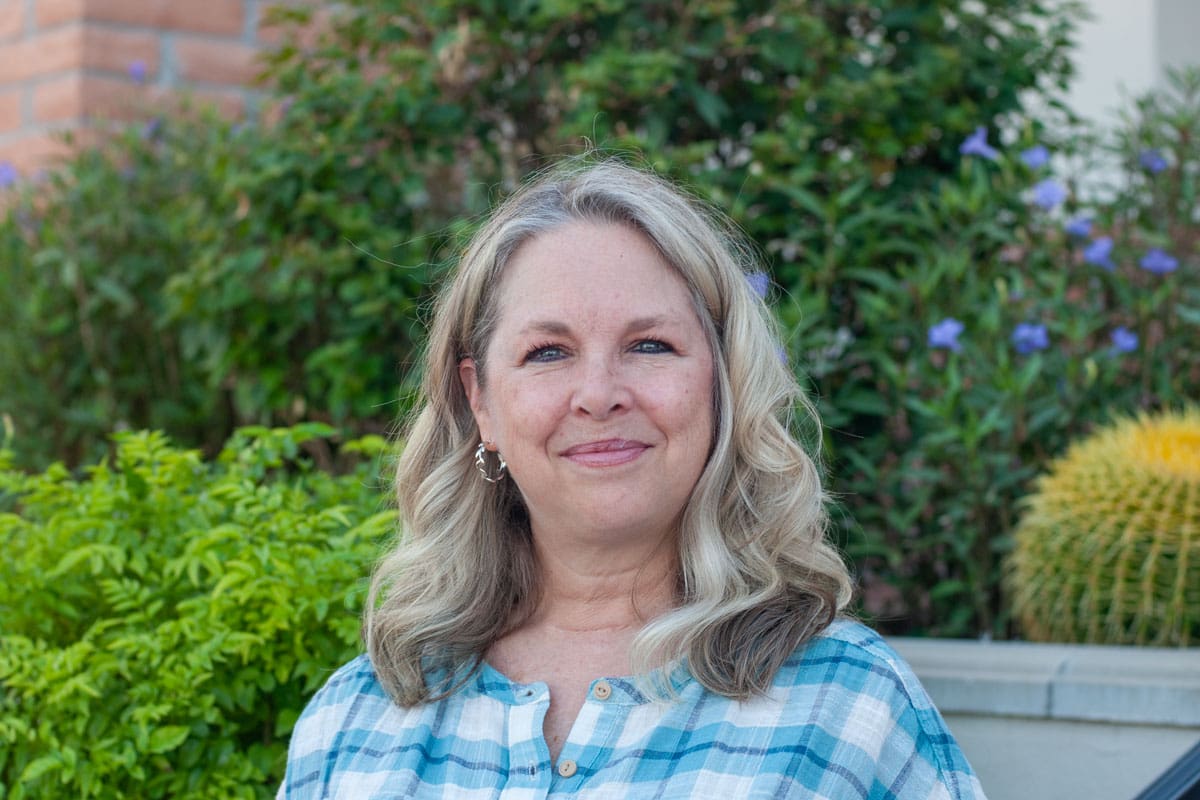
Josette, in a few words
A little more about Josette
Josette is the parent of three adult children and a grandparent. Family is an important part of her life, and she deeply values time spent with her husband, children, and their growing families. She has also been part of the same church community for most of her life and remains actively involved.
Outside the counseling office, Josette enjoys hiking, walking, skiing, and traveling. She is especially drawn to low-key adventures that offer a meaningful way to experience a place—whether that means hut hiking in Europe, trying a via ferrata, or learning more about a region through its history, language, and food.
Josette also enjoys reading and listening to books, following thoughtful podcasts, cooking, baking, and sharing good food with people she loves. Over the past several years, she has devoted considerable time to line dancing and has learned dozens of dances. And if you are wondering what is usually in her cup, the answer is tea rather than coffee.
How therapy may unfold
An attuned process for attachment wounds, infertility, and meaningful change
Begin with attunement
Start with what feels most important and share your story at a pace that feels manageable. Josette works to understand your experience, build trust, and create enough emotional safety for you to be honest without needing to pretend.
Understand the deeper roots
Look beneath anxiety, shame, relationship patterns, infertility grief, or emotional reactions. With an experienced attachment therapist, you begin connecting present struggles with attachment wounds, trauma, fear, and nervous-system responses that help explain why you feel stuck.
Practice a new response
Build regulation skills, internalize healthier messages, and begin responding with greater choice. Josette combines insight with practical steps that support stronger relationships, increased self-compassion, and lasting change.
Healing takes time—but by putting one foot in front of the other and practicing the next right thing, meaningful change can begin to take root.
There is no need to pretend here
Find steady support for attachment wounds, adoption, infertility, and the experiences that are difficult to name.
You may feel anxious, ashamed, discouraged, or simply unlike yourself. Perhaps you are worried about your child, carrying pain connected to adoption, or grieving a path toward parenthood that has not unfolded as expected. Whether you need an attachment therapist in Tucson or an infertility therapist in Tucson, you do not need the perfect words or complete confidence that therapy will help before you begin. Josette will meet you with acceptance, attunement, and practical support as you take the next right steps toward greater strength, connection, and hope.