

Becca Harowitz, LAC
Becca Harowitz, LAC is a trauma counselor in Tucson who helps adults navigate complex trauma, dissociation, grief, anxiety, and life transitions—especially when old wounds leave them feeling ashamed, overwhelmed, disconnected, or stuck in patterns they cannot seem to change.
She is calm, nurturing, and deeply attuned. Becca creates emotional safety before asking you to go deeper, helping you understand attachment wounds, nervous-system responses, and the parts of you that learned to carry pain alone. Therapy moves at your pace and blends acceptance with gentle challenge. Faith can be part of therapy—when you want it and without pressure or agenda.
Does this sound like you?
You do not need to relate to everything. One familiar experience may be enough to keep exploring.
You feel overwhelmed and do not know where to start
Life has become difficult to manage, but sorting through everything you are carrying on your own feels nearly impossible.
Trying to be “good enough” has become exhausting
Meeting expectations, avoiding disappointment, or proving your worth may take enormous effort, yet shame or self-doubt still remains.
Feeling misunderstood or unseen has become familiar
Relationships may feel unusually difficult, leaving you to wonder whether you are broken, too much, or somehow the problem.
Your body still reacts as though the past is happening
Even when you know you are safe, you may become overwhelmed, shut down, disconnected, or pulled into familiar emotional patterns.
You are carrying grief or adjusting to a changing life
A death, relationship change, empty nest, caregiving role, aging, or unexpected transition has changed how you understand yourself.
You want to go deeper—but need to feel safe first
You want meaningful healing without being rushed, pressured to disclose, or expected to follow someone else’s therapeutic agenda.
What it feels like to work with Becca
Calm enough to help you feel safe.
Attuned enough to help you go deeper.
Becca creates a warm, steady space where you can come as you are—without needing to know where to begin or how to explain everything you are carrying.
She listens for what is spoken and what may be harder to name, helping you approach your internal world with greater curiosity, understanding, and compassion.
Read more about Becca’s style
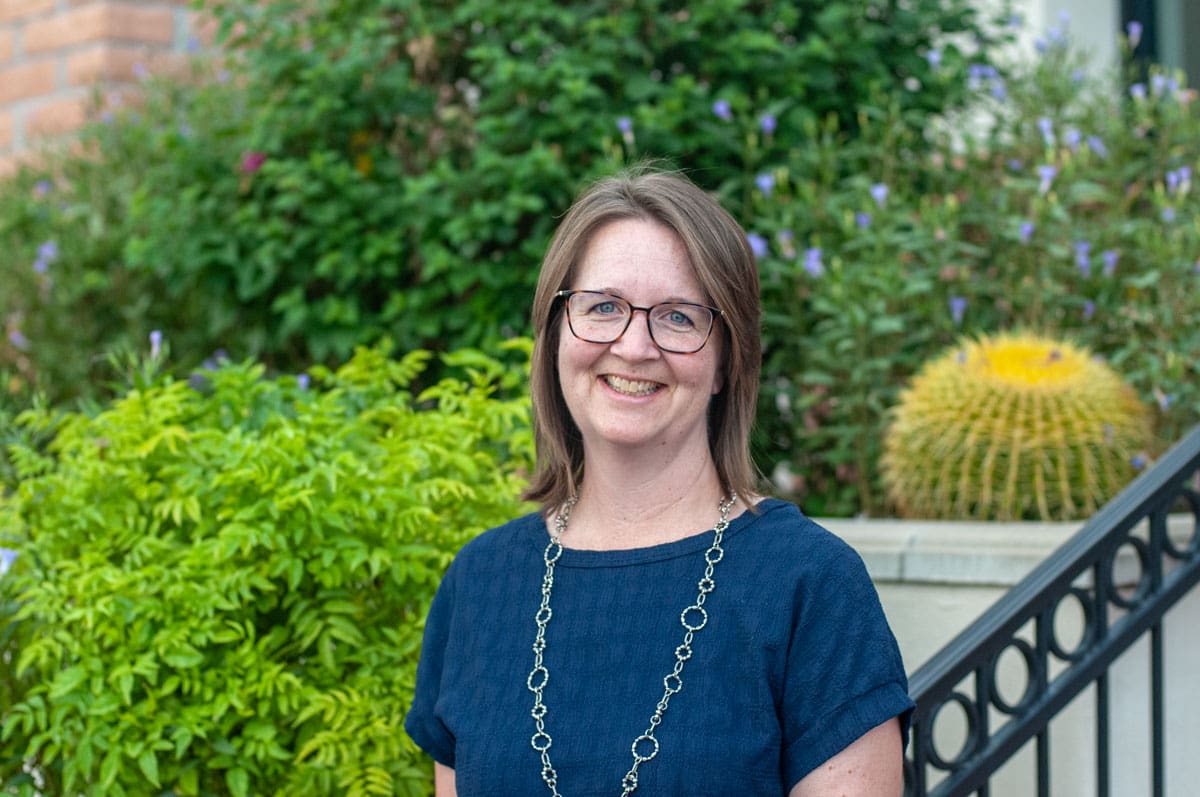
- A calm, nurturing presence
- Safety before pressure to go deeper
- Attuned listening and intuitive insight
- Acceptance paired with gentle challenge
Specialized areas of focus
Trauma, grief + life transition counseling in Tucson
Complex trauma + attachment wounds
When the past continues shaping how safe you feel, how you relate, and how you see yourself.
Explore this specialty
Close specialty
Complex trauma + attachment wounds
When the past continues shaping how safe you feel, how you relate, and how you see yourself.Complex trauma can develop through repeated experiences of rejection, abandonment, abuse, instability, relational harm, or not feeling seen and protected. You may carry shame, fear, difficulty trusting, or the persistent belief that something about you is broken.
Becca helps you build enough safety to approach these experiences without forcing or overwhelming you. Through attachment-focused, somatic, and parts-based work, she helps you understand how the past may still live in your beliefs, body, and relationships. Over time, you can begin responding to yourself with greater compassion, security, and choice.
Dissociation + feeling disconnected
When numbness, disconnection, or losing your sense of time makes it difficult to feel fully present.
Explore this specialty
Close specialty
Dissociation + feeling disconnected
When numbness, disconnection, or losing your sense of time makes it difficult to feel fully present.Dissociation may feel like being far away, outside your body, emotionally numb, foggy, on autopilot, or unable to recall parts of an experience. Although these responses often developed as protection, they can feel confusing, isolating, or frightening when they continue happening now.
Becca approaches dissociation slowly and respectfully. She helps you notice shifts before you become overwhelmed, reconnect with the present, and understand the protective parts of you that learned to disconnect. Trauma processing moves only at a pace your nervous system can manage.
Grief, loss + life transitions
When a loss or changing season has altered how you understand your life and yourself.
Explore this specialty
Close specialty
Grief, loss + life transitions
When a loss or changing season has altered how you understand your life and yourself.Grief can follow a death or traumatic loss, the end of a relationship, a change in health, an empty nest, caregiving, aging, or the loss of a future you expected. It may bring sadness, anger, guilt, numbness, confusion, or questions about who you are now.
Becca offers room to experience grief without imposing a timetable or expecting you to move on. She helps you honor what has been lost, understand what is changing, and reconnect with your identity and sources of hope. Therapy can make space for both the pain of what happened and the life that is still unfolding.
A deeper look at the work
Explore more of Becca’s specialties
The reason you come to therapy may involve more than one part of your life. Explore the areas below for a fuller sense of the concerns Becca works with and the ways therapy may help.
Anxiety + depression
When worry, heaviness, self-criticism, or exhaustion make it difficult to feel steady.
Anxiety + depression
When worry, heaviness, self-criticism, or exhaustion make it difficult to feel steady.Anxiety may keep you anticipating problems, questioning yourself, feeling tense, or unable to quiet your thoughts. Depression may feel more like heaviness, withdrawal, discouragement, or losing connection with the parts of life that once mattered.
Becca helps you understand what may be happening beneath these symptoms, including past experiences, shame, attachment wounds, and nervous-system responses. Therapy can include grounding and emotional regulation alongside deeper exploration.
Ultimately, the goal is not to force yourself into feeling better. It is to develop greater self-understanding, compassion, steadiness, and confidence in your ability to navigate difficult seasons.
Shame, identity + self-worth
When you have spent years believing you are broken, too much, or not enough.
Shame, identity + self-worth
When you have spent years believing you are broken, too much, or not enough.Shame can become part of how you understand yourself after years of rejection, criticism, abandonment, trauma, or trying to earn acceptance. You may assume that struggles in your life and relationships prove something is fundamentally wrong with you.
Becca helps you explore where those beliefs began and how they continue influencing your emotions and choices. She approaches every part of you with curiosity and respect, including the parts you have learned to hide or judge.
Over time, therapy can help you develop a clearer sense of who you are, relate to yourself with greater compassion, and make decisions from present-day truth rather than old shame.
Relational harm + boundaries
When painful or confusing relationships have made it difficult to trust yourself.
Relational harm + boundaries
When painful or confusing relationships have made it difficult to trust yourself.Codependency, manipulation, narcissistic abuse, repeated invalidation, or other relational harm can leave you questioning your perceptions and feeling responsible for everyone else’s emotions and needs.
Becca helps you slow down confusing relationship dynamics, identify what belongs to you and what does not, and understand the attachment patterns that may make boundaries feel frightening or guilt-inducing.
As a result, therapy can help you rebuild self-trust, recognize your needs, strengthen your voice, and develop boundaries that support both safety and genuine connection.
Emotional regulation + intense reactions
When triggers quickly lead to overwhelm, panic, anger, spiraling, or shutting down.
Emotional regulation + intense reactions
When triggers quickly lead to overwhelm, panic, anger, spiraling, or shutting down.Strong emotional reactions can feel unpredictable or impossible to control. You may understand afterward that the situation did not match the intensity of your response, yet still feel unable to interrupt the pattern when it happens again.
Becca helps you recognize what is occurring in your body and nervous system before the reaction becomes overwhelming. Grounding, parts work, and increased awareness can help you understand what the reaction may be communicating or protecting.
With time, experiences that once led to spiraling or shutting down can become more manageable, allowing you to remain present and respond with greater choice.
Church hurt + religious trauma
When experiences in church or teachings about God have become connected with fear, shame, or betrayal.
Church hurt + religious trauma
When experiences in church or teachings about God have become connected with fear, shame, or betrayal.Harmful leadership, manipulation, rejection, spiritual pressure, or fear-based teaching can affect your sense of identity, safety, trust, and relationship with God. You may feel angry, confused, ashamed, or uncertain about what you believe now.
Becca provides room to speak honestly about these experiences without defending the church, minimizing what happened, or rushing you toward forgiveness or certainty. When appropriate, specific experiences can also be addressed through trauma processing.
Above all, your questions and doubts are welcome. The goal is not to impose an answer, but to help you work through the hurt in a way that supports healing, freedom, and an authentic relationship with faith if you still desire one.
Women’s midlife + aging transitions
When changes in your body, roles, relationships, or family life raise new questions about who you are.
Women’s midlife + aging transitions
When changes in your body, roles, relationships, or family life raise new questions about who you are.Menopause, an empty nest, caregiving, retirement, changing relationships, and aging can bring unexpected grief and disorientation. Roles that once provided identity or purpose may be changing at the same time you are reconsidering what you need.
Becca helps women honor what feels lost while making sense of the person they are becoming. Therapy can create space to reflect on decades of experience, identify patterns that no longer fit, and reconnect with needs or parts of yourself that have been set aside.
In time, this season can become an opportunity for greater self-acceptance, clarity, freedom, and a more intentional relationship with the life ahead.

Faith can be part of the work—when you want it to be.
Becca offers Christian counseling for clients who want faith included in therapy. Her approach is biblically grounded, non-denominational, and led by the client—faith can be central, included occasionally, or not part of the work at all.
How Becca approaches Christian counseling
Professional details
A closer look at Becca’s practice
Review Becca’s credentials, clinical methods, client fit, and practical session information.
Education + licensure
Arizona Licensed Associate Counselor
Education + licensure
Arizona Licensed Associate CounselorLAC-23703
As a Licensed Associate Counselor, Becca practices under clinical supervision while working toward independent licensure.
Therapeutic approaches
Attachment-focused, somatic, parts-based, and trauma-informed care
Therapeutic approaches
Attachment-focused, somatic, parts-based, and trauma-informed careBecca uses a person-centered and collaborative approach tailored to each client’s needs and pace. She helps clients develop insight by connecting present-day emotions and patterns with attachment experiences, body sensations, nervous-system responses, and different parts of the self. There is no single correct path or timeline for healing.
Who Becca works with
Adults 22+ • Women + men • Midlife + older adults
Who Becca works with
Adults 22+ • Women + men • Midlife + older adultsCommon areas of work
- Complex trauma, PTSD, attachment wounds, and dissociation
- Grief, traumatic loss, and significant life transitions
- Anxiety, depression, stress, and emotional regulation
- Shame, abandonment, rejection, identity, and self-worth
- Relational harm, narcissistic abuse, codependency, and boundaries
- Church hurt, spiritual abuse, and religious trauma
- Women’s concerns, menopause, empty nesting, and midlife change
- Aging, caregiving, and later-life transitions
Therapy may fit particularly well if
- Understanding yourself more deeply is important to you.
- Processing trauma or regulating your nervous system feels important.
- A calm and gentle therapist would help you feel safer.
- Although you appear capable, you are struggling internally.
- Old patterns persist even though you understand them.
- Shame can leave you guarded, misunderstood, or difficult to reach.
- Developing emotional safety before opening up matters to you.
- Supportive encouragement paired with gentle challenge feels helpful.
Becca provides individual counseling for adults ages 22 and older, including adults navigating midlife and later adulthood. Sessions are offered in person at the Oracle office.
Office + session details
Oracle office • In person only • $120 per session
Office + session details
Oracle office • In person only • $120 per sessionTucson, AZ 85704
View map
View availability

Becca, in a few words
On a more personal note
Outside the counseling room, Becca is a parent navigating midlife herself. She enjoys being in nature, jogging, reading, watching documentaries, traveling, and finding moments of silence and solitude—especially in the woods.
Becca is fascinated by people and enjoys learning about history, sociology, psychology, and the ways the Bible and therapy can thoughtfully intersect. She also appreciates morning coffee with too much creamer and the experience of being immersed in song when people sing together at church.
She genuinely enjoys deep-cleaning things—even if keeping everything permanently tidy is, by her own admission, another matter. Her warmth, curiosity, humor, and hopeful view of people reflect the same qualities she brings into the therapy room.
How therapy may unfold
A gentle process for building safety and moving toward wholeness
Create safety
Begin with a steady relationship and a pace that helps you feel valued, accepted, and safe enough to look inward.
Understand your inner world
Explore how attachment experiences, beliefs, body sensations, and protective parts may be shaping what happens now.
Move with greater freedom
Use insight, self-compassion, and new experiences to meet triggers with greater calm, connection, confidence, and choice.
Therapy is a partnership—Becca meets you where you are and moves at your pace.
When you’re ready
Come as you are. You do not have to have it all figured out.
You do not need a perfect explanation for what feels wrong or know exactly where to begin. If Becca feels like a possible fit, therapy can begin at your pace—with room for uncertainty, shame, fear, or the parts of your story that remain difficult to name. If you are still deciding, take the time you need to compare counselors.