

Lauren Marks, MS, LPC
Lauren works with teens, couples, parents, and individual adults who feel stuck, unsure how to move forward, or worn down by communication patterns that keep repeating. She brings particular depth to marriage difficulties, premarital counseling, divorce recovery, co-parenting, blended families, family conflict, and supporting teens affected by complicated family dynamics.
Direct, bold, practical, and goal-oriented, Lauren brings clarity and purpose to the counseling process. She offers honest feedback, useful education, and concrete strategies that help clients see their situation differently and begin creating change outside the therapy room. When requested, Lauren can naturally integrate Christian faith through Scripture, prayer, reflection, and conversation about how faith shapes relationships, identity, and personal growth—always guided by the client’s preferences.
Does this sound like you?
You do not need to relate to everything. One familiar experience may be enough to keep exploring.
You keep having the same argument
Conversations quickly become defensive, shut down, or spiral into familiar conflict. You may understand what is happening but still struggle to communicate clearly, feel heard, or resolve the problem differently.
Your relationship feels strained or disconnected
You and your partner may care deeply about each other while feeling increasingly distant, misunderstood, or unsure how to move forward. You want practical help rebuilding trust, connection, and healthier ways of relating.
Your family is navigating a difficult transition
Divorce, remarriage, co-parenting, blended-family challenges, or changing roles may be creating tension throughout the family. You want support making thoughtful decisions while protecting the relationships that matter.
Your teen is struggling—and you are unsure how to help
Your teen may be anxious, withdrawn, overwhelmed, acting out, or caught in the middle of complicated family dynamics. You want them to have a trustworthy space while also learning how to support them more effectively at home.
You want more than a place to vent
You are looking for a counselor who will be honest, engaged, and willing to offer direction. You want practical skills, clear goals, and useful feedback that help you create meaningful change between sessions.
You want faith to have a place in counseling
Your Christian faith matters to how you understand yourself, relationships, and the decisions ahead. When you choose, Lauren can thoughtfully integrate Scripture, prayer, and faith-based reflection into practical counseling work.
What it feels like to work with Lauren
Direct enough to name what is not working. Practical enough to help you change it.
Lauren brings an active, honest, and goal-oriented presence into counseling. She will listen carefully and make room for the full complexity of what you are experiencing, while also helping you identify the patterns, choices, and communication habits keeping you stuck.
Her style is direct, practical, and engaged. Lauren offers clear feedback, useful education, and concrete strategies you can begin applying outside the therapy room. The goal is not simply to talk about the problem—it is to understand what is happening and develop healthier ways to respond.
Read more about Lauren’s style ↓
Lauren does not see counseling as a passive process. She works collaboratively with clients to establish clear goals, recognize what is within their control, and practice skills that support meaningful change. She may challenge an assumption, point out a pattern, or ask a direct question when doing so can help you see the situation more clearly.
With couples and families, Lauren helps slow conflict down so each person can better understand what is being communicated beneath the argument. She balances care for each individual with attention to the relationship as a whole, helping clients move from blame and defensiveness toward clearer communication, accountability, and more productive problem-solving.
With teens, Lauren creates a space that is approachable, honest, and respectful. She helps young people develop language for what they are experiencing, strengthen coping and communication skills, and take increasing ownership of their choices. When appropriate, she also helps parents understand how to support change without intensifying the conflict.
Christian faith can be integrated naturally when you request it. Lauren may incorporate Scripture, prayer, or faith-based reflection while helping you consider how your beliefs shape your identity, relationships, decisions, and hopes for change.

- Honest feedback and a direct, engaged presence
- Practical tools you can use beyond the therapy room
- Clear goals and a purposeful path toward change
- Faith-integrated counseling when you request it
Specialized areas of focus
Where Lauren brings particular depth
High-conflict relationships + communication When conversations become reactive, distance keeps growing, or the same unresolved conflict repeats without creating change. Explore this specialty Close specialty
Couples may enter counseling after months or years of repeating the same painful cycle. One person may pursue while the other withdraws. Conversations may turn into criticism, defensiveness, shutdown, or attempts to prove who is right. Over time, both partners can feel lonely, misunderstood, and uncertain whether meaningful change is still possible.
Drawing from the Gottman Method and attachment-based therapy, Lauren helps couples slow these cycles down and understand what is happening beneath the argument. She offers direct feedback and practical tools for communicating more clearly, regulating reactivity, addressing difficult issues, and rebuilding trust and emotional connection over time.
Divorce, co-parenting + blended-family transitions When separation, shared parenting, new relationships, or competing households create conflict, grief, and difficult decisions. Explore this specialty Close specialty
Divorce and co-parenting can involve much more than the end of a relationship. You may be managing grief, resentment, guilt, financial or logistical stress, new household roles, and continued communication with someone when the relationship remains strained. Children may also feel caught between households or affected by tension they cannot control.
Lauren brings a practical, grounded, and nonjudgmental presence to these transitions. She helps parents reduce reactivity, strengthen boundaries, communicate more productively, and make decisions with their children’s emotional well-being in mind. She can also help families navigate remarriage and blended-family relationships without expecting a complex transition to become simple overnight.
Teen counseling + practical support for parents When intense emotions, anxiety, withdrawal, risky behavior, or family stress leave both teens and parents unsure what to do next. Explore this specialty Close specialty
Teens may be navigating anxiety, depression, identity concerns, peer pressure, academic stress, low self-esteem, self-harm, suicidal thoughts, or the effects of conflict and instability within the family. Parents often know something is wrong but struggle to determine whether their teen needs more space, clearer structure, additional support, or a different kind of conversation.
Lauren offers teens a steady and approachable relationship where they can speak honestly, understand what drives their reactions, and strengthen emotional regulation, communication, and problem-solving skills. Drawing from attachment principles and the Whole-Brain Child framework, she also helps parents respond with greater clarity, empathy, and consistency while preserving appropriate space for the teen’s individual therapeutic work.
A deeper look at the work
Explore more of Lauren’s specialties
The concern bringing you to counseling may affect more than one part of your life. Explore the areas below for a fuller sense of what Lauren can help you understand, manage, and begin changing.
Trauma, PTSD + complex trauma When past experiences continue to affect your body, relationships, reactions, and sense of safety in the present.
Trauma may follow a single overwhelming event or develop through repeated relational harm, emotional neglect, instability, or experiences in which you did not have the safety and support you needed. You may feel anxious, guarded, disconnected, reactive, ashamed, or unsure why your body still responds as though the danger is present.
Lauren helps you understand the connections between your history, nervous system, emotions, relationships, and current coping patterns. She brings steadiness and clear direction without expecting you to disclose everything at once or move faster than feels manageable.
Drawing from trauma-informed, attachment-based, and somatic approaches—including Deep Brain Reorienting and Trauma Model Therapy—Lauren helps clients move toward greater regulation, clarity, self-trust, and freedom from patterns built around survival.
Dissociation, disconnection + parts of self When you lose time, feel unreal or detached, shut down under stress, or experience conflicting parts of yourself.
Dissociation can take many forms. You may feel detached from your body, emotions, memories, or surroundings. You may move through parts of your day on autopilot, become foggy during conflict, struggle to remember what happened, or experience internal responses that feel contradictory or outside your control.
These experiences can be confusing or frightening, but they often developed as intelligent ways of coping with something that once felt overwhelming. Lauren helps clients understand dissociation without shame and recognize the triggers, protective responses, and unmet needs beneath it.
Through careful pacing, grounding, regulation, and trauma- informed parts work, therapy can support greater internal communication and connection. The goal is not to fight against parts of yourself, but to increase safety, cooperation, and your ability to remain present in your life.
Anxiety, depression + emotional overwhelm When worry, heaviness, irritability, avoidance, or intense emotions interfere with daily life and connection.
Anxiety may leave you overthinking, anticipating problems, or feeling unable to settle. Depression may show up as exhaustion, hopelessness, irritability, withdrawal, or a loss of interest in the people and activities that once mattered. For teens, these concerns may also appear through conflict, isolation, academic difficulty, or changes in behavior.
Lauren helps clients identify what intensifies these patterns and distinguish between the parts they can influence and those they cannot control. Her approach combines insight with practical strategies for regulating emotions, challenging unhelpful patterns, communicating needs, and taking manageable steps forward.
Rather than expecting immediate perfection, Lauren helps you build skills through steady practice. Counseling can support a growing sense of agency, greater emotional stability, and more confidence responding to difficult moments.
Suicidal thoughts + self-harm When emotional pain feels unbearable, self-harm has become a way to cope, or thoughts of not wanting to be here are difficult to manage.
Suicidal thoughts and self-harm can carry fear, secrecy, and shame. You may worry that being honest will alarm others or cause them to see you differently. Parents may feel frightened, uncertain how seriously to respond, or caught between monitoring safety and preserving connection with their teen.
Lauren brings a calm, direct, and non-shaming presence to these conversations. She helps clients identify triggers, understand what self-harm or suicidal thoughts may be communicating, build safer coping strategies, and create clear plans for navigating moments when risk increases.
Safety remains the priority. Lauren collaborates with clients and, when appropriate, parents or other supports to determine what level of care is needed. She approaches this work with honesty and steadiness while helping clients strengthen connection, hope, and reasons to keep moving forward.
Self-esteem, negative self-talk + boundaries When self-criticism, people-pleasing, guilt, or fear of conflict makes it difficult to trust yourself and protect what matters.
Harsh self-talk and low self-worth can affect the way you make decisions, handle mistakes, enter relationships, and respond to other people’s expectations. You may know that you need clearer boundaries while still feeling guilty, selfish, or afraid of how someone will react when you set them.
Lauren helps you notice the assumptions and relational patterns influencing how you see yourself. Her direct and compassionate style can help you separate responsibility from unnecessary guilt, recognize where you have choices, and communicate your limits more clearly.
Healthy boundaries are not about controlling other people or avoiding every difficult interaction. They help clarify what belongs to you, what does not, and how you want to participate in relationships without abandoning your needs, values, or voice.
Stress, burnout + major life decisions When competing responsibilities, difficult choices, or an unexpected transition leave you depleted and unsure how to move forward.
Chronic stress can build gradually until functioning requires nearly all the energy you have. You may feel irritable, disconnected, physically tense, emotionally exhausted, or unable to think clearly about decisions involving work, relationships, parenting, education, or the future.
Lauren helps clients cut through the noise and identify what requires attention first. Together, you can examine the beliefs, expectations, and practical circumstances contributing to overwhelm while developing clearer priorities and more sustainable ways of responding.
Her solution-focused approach is especially useful for clients who want counseling to provide both support and direction. Lauren helps you recognize existing strengths, identify realistic next steps, and move through change with greater clarity and confidence.

Christian counseling with Lauren
Faith can be part of the work when you want it to be—and it will never be imposed.
Lauren’s Christian faith gently informs the warmth, honesty, and hope she brings into the counseling relationship. When you request faith-integrated therapy, she can help you explore how your beliefs connect with your identity, relationships, decisions, pain, and hopes for change. This may include Scripture, prayer, or Christian reflection alongside clinically grounded counseling. You determine whether faith is included, how directly it is discussed, and what forms of spiritual integration feel meaningful to you.
Explore Lauren’s approach to Christian counseling ↓
Faith integration led by you
Lauren does not assume that every client wants faith included in counseling simply because they chose a Christian counseling practice. She follows your preferences and welcomes honest conversation about what you believe, where you feel uncertain, and how you would—or would not—like faith to become part of the work.
Some clients want Christian faith integrated throughout counseling. Others want it included only when directly relevant. You may also prefer counseling that remains primarily clinical and practical. Lauren respects each of these choices and can revisit your preferences as the work develops.
Scripture, prayer + practical change
When desired, Lauren may incorporate Scripture, prayer, and Christian reflection into conversations about identity, relationships, boundaries, forgiveness, responsibility, grief, or decision-making. These practices are used collaboratively and never as tests of faith or substitutes for honest emotional and relational work.
Faith integration may also involve examining the beliefs and messages influencing the way you see yourself or respond to others. Lauren can help you consider whether these messages are consistent with grace, truth, healthy responsibility, and the kind of relationship you want to build with God and other people.
Lauren’s practical style remains present within Christian counseling. Spiritual reflection can occur alongside emotional regulation, communication skills, healthy boundaries, accountability, trauma-informed care, and concrete steps toward change.
Faith within relationships + family life
Couples and families may share a Christian faith while still understanding marriage, parenting, conflict, forgiveness, or responsibility differently. Faith can become a source of connection, but it can also become entangled with pressure, avoidance, blame, or competing expectations.
When clients want faith included, Lauren helps them explore how their beliefs influence communication, boundaries, commitment, parenting, and repair. She does not use spiritual language to determine who is right or to excuse harmful behavior. Instead, she helps clients move toward greater honesty, personal responsibility, wisdom, and relational integrity.
With teens, Lauren respects that a young person may be developing beliefs and questions that differ from those of their parents. She can make room for those conversations while helping families approach differences with greater curiosity, respect, and connection.
Questions, uncertainty + different beliefs are welcome
You do not need to arrive with polished beliefs, spiritual certainty, or an uncomplicated relationship with faith. Doubt, disappointment, questions, changing beliefs, and mixed feelings about God or church can be discussed without pressure to reach a predetermined conclusion.
Lauren also works comfortably with clients from different belief systems and with those who do not want spirituality included in counseling. Her approach remains respectful, clinically grounded, and centered on the goals and values of the person in front of her.
The purpose of faith integration is to make room for something important to you—not to introduce an agenda that does not belong in your counseling.
Professional details
A closer look at Lauren’s practice
Review Lauren’s credentials, therapeutic approaches, client fit, and practical session information.
Credentials + education Arizona Licensed Professional Counselor • Approved Clinical Supervisor
LPC-24672
Clinical Mental Health Counseling
2023
Clinical Supervisor
Lauren is independently licensed in Arizona and provides clinical psychotherapy for teens, adults, couples, parents, and families.
Therapeutic approaches + specialized training Trauma-informed, attachment-based, solution-focused, relational, and practical
Lauren blends evidence-informed therapeutic approaches according to each client’s concerns, personality, relationships, and goals. Her work combines deeper insight into the patterns keeping clients stuck with concrete strategies they can begin applying in daily life.
Christian faith can be integrated when requested. Lauren also works comfortably with clients from other belief systems and with those who prefer counseling without a spiritual component.
Who Lauren works with Teens • Individual adults • Couples • Parents + families
Common areas of work
- High-conflict relationships and recurring communication problems
- Marriage concerns, premarital counseling, and emotional disconnection
- Divorce recovery, co-parenting, and blended-family transitions
- Teen emotional regulation, anxiety, depression, and family stress
- Trauma, PTSD, complex trauma, and relational harm
- Dissociation and trauma-related disconnection
- Suicidal thoughts, self-harm, and intense emotional distress
- Self-esteem, negative self-talk, boundaries, stress, and burnout
Counseling may fit particularly well if
- You want a therapist who is direct, honest, and actively engaged.
- You want practical tools rather than a place to vent indefinitely.
- You are willing to examine difficult patterns without avoiding them.
- You appreciate clear goals and a purposeful counseling process.
- You want support that also includes respectful challenge.
- You are ready to practice new skills between sessions.
- You want help turning insight into measurable change.
- You value warmth, authenticity, and straightforward feedback.
For clients under 18, the first session is parent-only. Lauren will then help determine how parent involvement can support treatment while also preserving an appropriate and trustworthy counseling space for the teen.
Office + session details Oracle office + telehealth • Monday–Friday • $125 individual / $140 couples
Tucson, AZ 85704
View map
$140 • Couples sessions
9:00 AM–4:00 PM
View availability
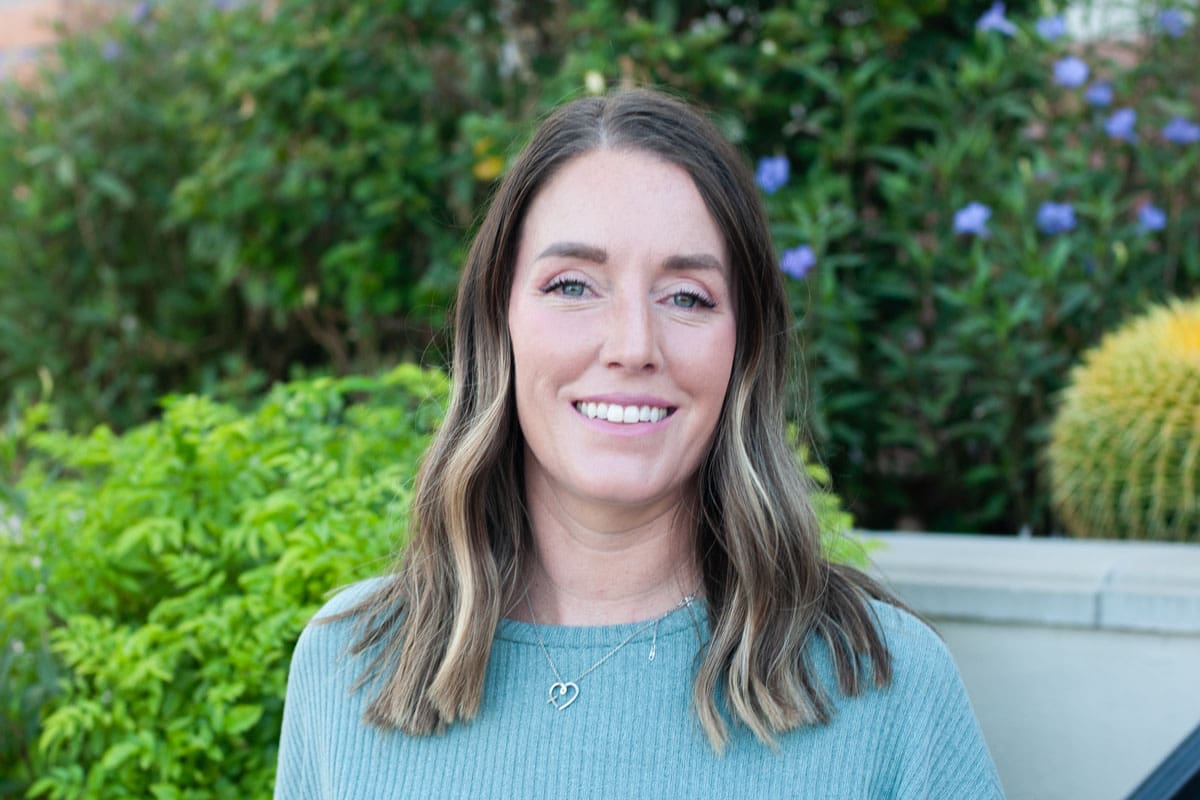
Lauren, in a few words
A little more about Lauren ↓
Lauren believes counseling works best when a therapist shows up as a real person. She brings authenticity and compassion into the room, works to understand the situation through your eyes, and pairs empathy with a willingness to be clear about what she notices.
She is not easily rattled by intense emotions, complicated relationships, trauma, or the parts of your story that may feel difficult to say aloud. Lauren’s unflinching presence does not mean she is harsh. It means you do not need to soften your experience, avoid the hard parts, or protect her from the reality of what you are carrying.
Lauren also believes insight matters most when it leads somewhere. She enjoys helping clients find clearer language for what is happening, practice healthier communication, strengthen boundaries, and develop practical ways of responding differently. The goal is not perfection—it is meaningful change and a life that feels more connected, intentional, and genuinely yours.
How counseling with Lauren may unfold
A clear, collaborative process for understanding what keeps you stuck—and turning insight into meaningful change
Get clear about what is not working
Begin with what is happening now, what you have already tried, and what you want to be different. Lauren listens carefully, asks direct questions, and works with you to identify clear, realistic goals for counseling.
Understand the pattern beneath the problem
Explore the emotions, experiences, beliefs, relationship cycles, and protective responses influencing what is happening. Lauren helps you cut through the noise, recognize the deeper pattern, and see where change is possible.
Practice change where life happens
Develop practical tools for communication, emotional regulation, boundaries, problem-solving, and healthier choices. You will practice responding differently between sessions so insight gradually becomes lasting change in everyday life.
Lauren brings structure, compassion, and honest feedback to the process—so you can feel supported while still moving forward.
Clarity creates a place to begin
You do not have to keep repeating what is not working.
You do not need to arrive with the perfect explanation, complete agreement about what needs to change, or confidence that you know how to fix it. If Lauren feels like a possible fit, begin with the conflict, decision, relationship, or concern that feels most pressing. Together, you can identify the patterns keeping you stuck, develop practical tools, and begin creating meaningful change where it matters most. If you are still deciding, take the time you need to compare counselors.