

Emily Emmerich, LPC
Emily is a Christian Counselor for Women in Tucson who provides counseling for highly sensitive women as well as women experiencing persistent depression, anxiety, emotional overwhelm, burnout, relationship difficulties, or chronic health concerns. She helps clients understand their sensitivity without treating it as a weakness that needs to be fixed.
Patient, compassionate, and down-to-earth, Emily listens closely and makes room for honest conversations about how hard life has felt. Her approach is gentle and unhurried. She also offers practical tools, new perspectives, and manageable steps forward. As a Christian Counselor for Women in Tucson, Emily can incorporate Scripture, prayer, and faith without treating emotional pain as a spiritual failure.
Is counseling for highly sensitive women right for you?
You do not need to relate to everything below. If you are considering a Christian Counselor for Women in Tucson, one familiar experience may be enough to keep exploring.
You have felt low for so long that it is difficult to imagine feeling different
Sadness, fatigue, disconnection, or a persistent heaviness may follow you through most days. You continue doing what needs to be done. Even ordinary responsibilities may require more energy than other people understand.
You feel everything deeply—and sometimes wish you did not
Conflict, noise, expectations, and other people’s emotions can quickly become overwhelming. Counseling for highly sensitive women can help you understand these responses, protect your energy, and care for yourself without rejecting an important part of who you are.
Your mind rarely gives you permission to rest
Overthinking, worry, self-criticism, and the need to make the right decision can leave you stuck in analysis. You may want to move forward but feel unable to quiet your mind long enough to know what the next step should be.
Something in your life is not working—but you are unsure what needs to change
A relationship, transition, or new season may have left you confused about who you are and where you are headed. You want to understand the patterns keeping you stuck and make choices that feel more honest and sustainable.
Your health has changed what life asks of you—and what you can ask of yourself
Cancer, chronic illness, menopause, low energy, or changes in physical capacity may be affecting your mood, relationships, identity, or faith. You want support that respects your real limitations without giving up on the possibility of growth.
You want faith to support your healing—not become another reason to feel ashamed
Scripture, prayer, and biblical truth may feel important to you. At the same time, you need room for depression, doubt, painful emotions, and honest questions. Emily offers Christian counseling without shame, pressure, or simplistic spiritual answers.
Working With a Christian Counselor for Women in Tucson
A relationship where you can bring the real story—and know the messiest parts will be met with acceptance.
Emily brings a warm, relaxed, and down-to-earth presence into therapy. Her approach to counseling for highly sensitive women begins with trust, emotional safety, and genuine acceptance. Emily understands that trust is something a counselor earns rather than something a client automatically owes.
Emily listens carefully and gives you room to describe what is actually happening. That includes experiences that feel confusing, embarrassing, or difficult to explain. Her style is gentle and relational, but it is not passive. She offers thoughtful reflection, practical tools, honest feedback, and gentle challenges when you are ready.
Read more about Emily’s style

- Deep listening that helps you feel genuinely heard
- A warm, unhurried relationship where trust is earned
- Honest reflection and gentle challenge when you are ready
- Practical tools, meaningful insight, and room for humor
Specialized Areas of Focus
Support from a Christian Counselor for Women in Tucson
Chronic depression + dysthymia
When sadness, fatigue, disconnection, or low motivation has become part of the background of everyday life. Explore this specialty Close specialty
Persistent depression does not always look like a crisis. You may continue working, caring for other people, and completing what needs to be done while privately feeling flat, tired, disconnected, or unable to remember when life last felt genuinely light. Even small responsibilities can require more effort than anyone else realizes.
Emily offers a place where you do not have to minimize the heaviness or pretend to feel hopeful. She helps you recognize patterns of sadness, withdrawal, hopelessness, and self-criticism while developing practical ways to cope and respond differently. Together, you can look for small changes that build confidence, improve daily functioning, and make hope feel possible again.
Counseling for highly sensitive women
When emotions, conflict, sensory input, expectations, or the pace of daily life become difficult to manage. Explore this specialty Close specialty
Highly sensitive women may be deeply affected by conflict, expectations, noise, other people’s emotions, or the pace of daily life. You may need more time to process experiences, become overwhelmed more quickly, or carry interactions long after everyone else appears to have moved on. Over time, you may have learned to criticize yourself for being “too much” or “too sensitive.”
As a Highly Sensitive Person herself, Emily understands that sensitivity is not a defect that needs to be removed. She helps clients understand their emotional responses and recognize what contributes to overwhelm. Together, they develop healthier limits and skills for greater steadiness. The goal is not to make you feel less deeply, but to help you care for your sensitivity and recognize the strengths within it.
Life transitions + identity
When something in your life is changing and you are no longer certain who you are or where you are headed. Explore this specialty Close specialty
Changes in relationships, health, work, faith, family roles, or adulthood can disrupt the familiar ways you have understood yourself. You may know that something is no longer working but feel confused about what needs to change, what you truly want, or which direction is right for you.
Emily helps you slow the process down and explore the beliefs, expectations, and patterns influencing your choices. Together, you can clarify what matters to you, distinguish your own voice from outside pressure, and begin taking manageable steps toward a life that feels more authentic and sustainable.
Christian counseling + spiritual growth
When you want faith to be part of therapy without having emotional pain reduced to a lack of faith. Explore this specialty Close specialty
Christians may feel confused or ashamed when depression, anxiety, exhaustion, or doubt does not disappear through prayer or greater effort. You may want help understanding your mental health while also exploring what your experience means for your relationship with God. You may also be carrying questions about church teachings or responses that made your struggle harder to understand.
When you want faith included, Emily is comfortable integrating Scripture, prayer, biblical teaching, and spiritual reflection directly into the work. She often helps clients recognize how biblical principles connect with psychological concepts and how Scripture can support cognitive reframing, coping skills, relationships, and daily choices. There are no religious clichés here—only honest conversation about mental health, faith, and what it means to live well.
A Deeper Look at the Work
More ways a Christian Counselor for Women in Tucson can help
The concern bringing you to therapy may touch several parts of your life. Explore the areas below for a fuller sense of what Emily can help you understand and the practical changes you may begin making together.
Anxiety, worry + overthinking
When your mind remains busy with possibilities, decisions, and everything that could go wrong.
Anxiety can feel like a constant background hum. Your mind may replay conversations, anticipate problems, question decisions, or keep searching for certainty before allowing you to move forward. Overthinking can create the strange experience of working very hard internally while feeling unable to take action.
Emily helps you identify the thoughts, fears, expectations, and situations that intensify your anxiety. She may use cognitive reframing, psychoeducation, and practical coping strategies to help you respond more intentionally instead of automatically following every anxious thought.
Therapy can help you tolerate uncertainty and trust yourself more fully. You can make decisions without eliminating every possible risk first.
Stress, burnout + emotional regulation
When demands continue accumulating and your usual ways of coping no longer feel sufficient.
Stress often builds gradually. You may continue meeting responsibilities while becoming increasingly exhausted, irritable, emotionally reactive, shut down, or unable to recover between demands. Even small problems may begin to feel unmanageable when your internal resources have been stretched too thin.
Emily helps you understand what contributes to overwhelm and recognize ways of coping that may offer short-term relief without addressing what you actually need. Together, you can develop skills for managing strong emotions, communicating needs, and responding more intentionally.
Therapy can help you create healthier limits, make room for restoration, and build a daily life that reflects your actual capacity rather than everything you believe you should be able to carry.
Cancer, chronic illness + changing capacity
When your health, energy, or body has changed how you live and how you understand yourself.
Cancer, chronic illness, menopause, and other changes in physical health can affect far more than the body. You may be grieving lost abilities, adjusting plans, managing uncertainty, or feeling misunderstood by people who cannot see how much effort ordinary life now requires.
Changes in health can also influence mood, relationships, work, identity, faith, independence, and your sense of usefulness. You may compare what you can do now with what once felt possible or judge yourself for limitations you did not choose.
Emily provides a compassionate place to process these changes while helping you care for your mental health within the reality of your current capacity. Therapy can support healthier expectations, greater self-understanding, and meaningful ways of living that do not depend entirely on productivity.
Relationships, communication + boundaries
When an important relationship leaves you confused, emotionally depleted, or unsure how to express what you need.
Conflict with a partner, friend, family member, or faith community can occupy enormous emotional space. You may replay interactions, avoid difficult conversations, struggle to name what you need, or feel responsible for keeping everyone else comfortable.
Emily helps you explore the beliefs and patterns shaping your relationships. She can help you clarify your needs, values, responsibilities, and limits while developing communication skills that support greater honesty and calm.
Therapy can also help you consider whether a relationship needs repair, forgiveness, different expectations, firmer boundaries, or greater distance. The goal is not to tell you what choice to make, but to help you make it with greater clarity and confidence.
Young adulthood, school stress + direction
When adulthood has arrived but confidence, identity, or a clear sense of direction has not.
Young adulthood can bring decisions about education, work, relationships, independence, faith, and the future before you feel fully prepared to make them. School pressure, changing friendships, family expectations, and uncertainty about what comes next can make it difficult to trust yourself.
You may compare your progress with other people’s, feel behind, or believe you should already know who you are and what you want. Anxiety and depression can make these decisions feel even heavier.
Emily offers a supportive place to explore your values, strengths, needs, and hopes. You do not need to have adulthood figured out. Together, you can develop practical coping skills and begin taking manageable steps toward a direction that feels more genuinely your own.
Self-esteem, self-understanding + personal growth
When the qualities you criticize in yourself may hold strengths you have not yet learned to recognize.
You may have spent years labeling parts of yourself as inconvenient, weak, overly emotional, indecisive, or not enough. Criticism from other people—or the pressure to become who they needed—may have made it difficult to see yourself with accuracy or compassion.
Emily helps you explore the beliefs and experiences that shaped how you see yourself. She offers room to understand your personality, needs, values, abilities, and limitations without reducing your worth to productivity, approval, or how successfully you care for everyone else.
Therapy can help you develop a healthier relationship with yourself, recognize strengths within qualities you once rejected, and approach future challenges with greater confidence and self-understanding.

Christian Counselor for Women in Tucson
Faith can be included clearly, naturally, and without shame
Emily offers Christian counseling for women who want faith to be part of therapy. Scripture, prayer, biblical reflection, and spiritual conversation can be included according to your needs and comfort. These elements are integrated with thoughtful clinical care rather than used to minimize emotional pain or replace practical support.
How Emily integrates faith into counseling
Professional Details
A closer look at Emily’s practice
Review the education, therapeutic approaches, specialties, and session information Emily brings to her work as a Christian Counselor for Women in Tucson.
Credentials + education
Independently licensed professional counselor in Arizona + Texas
LPC-16730
LPC-90483
Professional Counseling
Liberty University
Biblical Studies
Pensacola Christian College
Emily is independently licensed in Arizona and Texas. Her clinical education and background in biblical studies allow her to provide professional counseling with direct, thoughtful Christian integration when requested.
Therapeutic approaches
Warm, relational, practical + collaborative
Emily begins with a person-centered approach because she believes the therapeutic relationship creates the safety, trust, and acceptance that make meaningful change possible. She takes time to understand each client rather than applying a rigid formula or assuming that the same approach will work for everyone.
Cognitive Behavioral Therapy helps clients examine the relationship between thoughts, emotions, and behavior. Solution-Focused Brief Therapy identifies what is already working and where manageable changes may create movement. Motivational Interviewing helps clients explore uncertainty, recognize their own reasons for change, and move forward without increasing resistance or pressure.
Emily also uses psychoeducation and practical coping skills to help clients understand their experiences and apply what they learn outside the counseling room. Christian counseling can be integrated directly when requested.
Who Emily works with
Individual women 18+ • Primarily in person • Telehealth when needed
Common Areas of Work
- Chronic depression, dysthymia, and persistent sadness
- Anxiety, worry, overthinking, and emotional tension
- Counseling for highly sensitive women and emotional overwhelm
- Life transitions and uncertainty about what comes next
- Stress, coping skills, and emotional regulation
- Cancer, chronic illness, menopause, and changing capacity
- Relationships, communication, and boundaries
- Self-esteem, identity, and personal growth
- Young adult concerns and school-related stress
- Christian counseling, faith questions, and church hurt
Therapy May Fit Particularly Well If
- You want practical tools and deeper self-understanding.
- You appear capable while struggling internally.
- You feel stuck in patterns you understand but have not been able to change.
- You need a calm, relational presence and time to develop emotional safety.
- You value open-ended conversation instead of a rigid session formula.
- You want honest reflection and gentle challenge without shame or pressure.
- You are motivated for change but may feel unsure where or how to begin.
- You are uncertain whether therapy can help or have tried counseling before without finding the right fit.
- You specifically want Christian faith included in counseling.
Emily provides individual outpatient counseling for adult women age 18 and older. She does not provide couples, family, child, or teen counseling. Her practice is not intended for active suicidal crises or when active addiction, an eating disorder, significant dissociation, complex trauma, or custody-related conflict is the primary concern.
Office + session details
Oracle office • Primarily in person • Tuesdays–Wednesdays • $120
Tucson, AZ 85704
View map
Private-pay appointments are not available to clients covered by UnitedHealthcare. Please contact the office if you have UnitedHealthcare.
Wednesdays
View availability
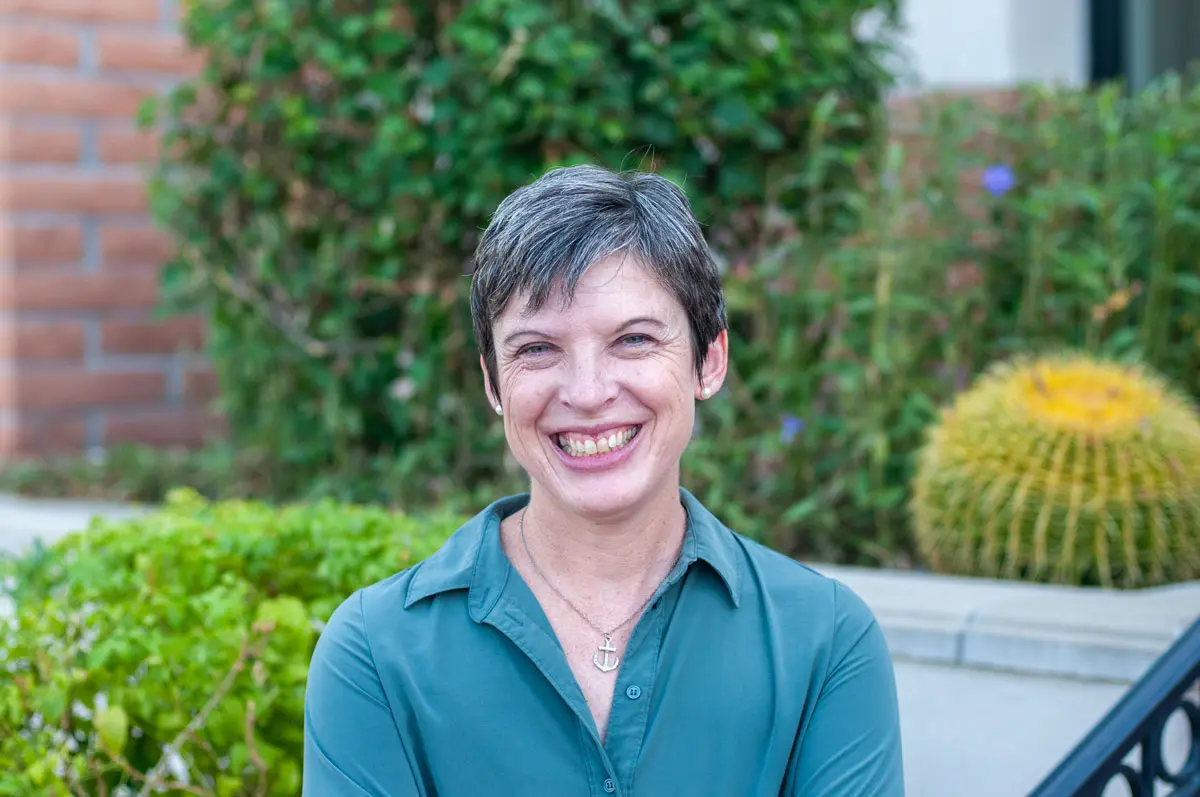
Emily, in a few words
A little more about Emily
Outside of counseling, Emily enjoys hiking, cooking, reading, and spending time with her husband, family, and dog. Nature helps her feel closer to God, and travel requires very little persuasion—tell her to pack a bag and she is ready to go.
Emily is both a Highly Sensitive Person and a cancer survivor. Her own experiences with sensitivity, mental health, faith, and physical health challenges have shaped the way she understands people whose emotions, bodies, or circumstances do not always cooperate with the life they imagined. She knows that qualities people learn to criticize in themselves can become strengths when they are understood and cared for differently.
That same grounded presence carries into Emily’s counseling work. She does not expect clients to arrive with everything figured out. Emily values honest conversation, careful listening, and the small moments of courage that help people begin moving forward.
How Therapy May Unfold
A relationship built on trust—followed by insight, practical tools, and changes you can sustain
Build trust + bring the real story
Emily takes time to earn your trust through careful listening, consistency, and acceptance. You can begin with what feels manageable and gradually bring in the parts that feel messy, frightening, embarrassing, or difficult to explain.
Recognize what keeps you stuck
Explore thoughts, behaviors, relationship patterns, and ways of coping that may once have helped but now create pain or limit your choices. Emily offers reflection and feedback while helping you recognize meaningful connections for yourself.
Practice healthier ways forward
Turn insight into small, repeatable changes. You may practice new coping skills, challenge unhelpful thoughts, communicate more clearly, strengthen boundaries, or make choices that support greater confidence, connection, and hope.
Therapy with Emily can be honest and meaningful without feeling canned or intimidating. There is room for reflection, practical support, encouragement, and humor when it helps.
You Can Begin Here
Ready to meet with a Christian Counselor for Women in Tucson?
You do not need to understand everything you are feeling before scheduling. If Emily seems like someone who may understand you, begin with what feels confusing or exhausting. You can also begin with what feels difficult to say out loud. Counseling for highly sensitive women can start with one honest conversation.
“You can’t scare me. Let’s hear it.”
Together, you can understand the patterns keeping you stuck, develop practical ways to respond differently, and make manageable changes that support greater confidence, connection, and hope.