

You hold everything together
Others see competence while you feel anxious, vigilant, or depleted inside.

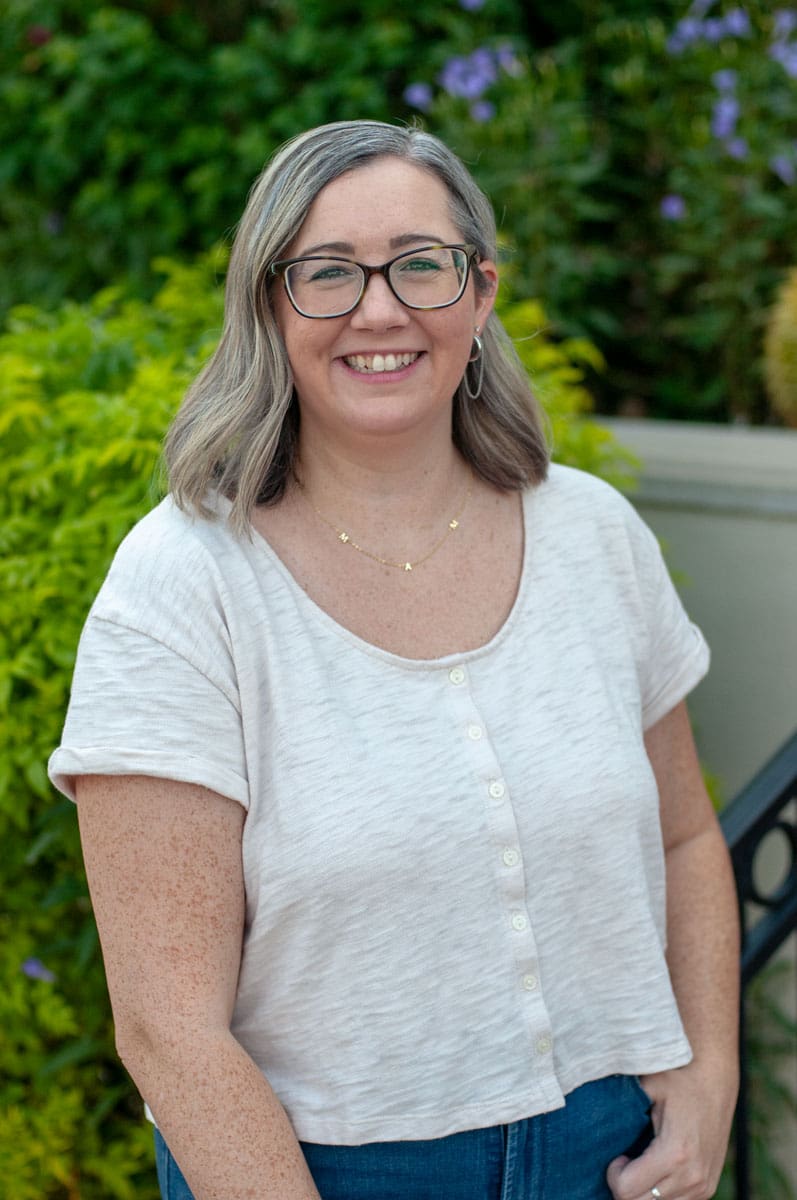
Trauma therapy for women in Tucson
Helping women feel fully seen—with depth, clarity, and humor.
Natalie helps women work through complex trauma, dissociation, anxiety, and attachment wounds with warmth, honesty, and confidence.
She is warm, genuine, deeply attuned, and comfortably direct. She knows when a client needs a gentle truth, a clear challenge, practical understanding, or well-timed humor to help the room feel a little lighter. Her work is relational and collaborative, but it is not passive or surface-level. Faith can be part of therapy—if you want, and on your terms.
A quick sense of fit
You do not need to relate to everything. One familiar experience may be enough to keep exploring.
Others see competence while you feel anxious, vigilant, or depleted inside.
You may appear calm while privately overthinking or bracing for what could go wrong.
You are looking for warmth and practical help without staying on the surface.
Numbness, shutdown, or conflicting parts can make it difficult to feel present or aware of your body.
One part wants change while another avoids, shuts down, or expects something to go wrong.
You notice what everyone else needs, but identifying, trusting, or expressing your own needs feels much harder.
What it feels like to work with Natalie
Natalie creates room for honesty without making you feel exposed or rushed.
She listens closely, notices patterns, and gently names what may be keeping you stuck.
Natalie believes the relationship between therapist and client is the foundation of effective therapy. Before moving into painful experiences, she works to create enough trust and safety for you to relax, breathe, and show up without needing to perform.
She is warm and nurturing, but she is also honest. Depending on what you need, Natalie may offer a gentle truth, name a pattern directly, challenge a belief, provide practical understanding, or use well-timed humor to make difficult work feel less heavy.
Therapy is collaborative. Natalie will not decide your goals for you, but she will remain actively engaged as you look beneath quick solutions and work toward meaningful change.

Specialized areas of focus
Trauma may continue showing up long after the danger has passed. You may understand what happened while your body remains vigilant, shut down, disconnected, or prepared for something to go wrong.
Natalie helps women understand dissociation, attachment wounds, and protective responses without shame. Therapy builds safety before moving into deeper trauma processing through EMDR, DBR, parts work, and body-based approaches.
You may appear productive, responsible, and calm while privately overthinking, anticipating problems, struggling to rest, or feeling responsible for keeping everything together.
Natalie offers practical support for anxiety while also helping clients understand what it may be protecting. This can include trauma, fear of rejection, attachment wounds, or the belief that things will fall apart if you stop managing them.
Betrayal, abandonment, emotional neglect, or unsafe relationships can make it difficult to trust your perceptions, express your needs, establish boundaries, or remain connected without losing yourself.
Natalie helps women understand these patterns without blaming them for how they learned to survive. Therapy may support rebuilding self-trust, grieving what happened, and developing relationships that allow for both connection and a stronger sense of self.
A deeper look at the work
Trauma rarely fits neatly into a single category. Explore the areas below for a fuller sense of the experiences Natalie understands and the work you may do together.
You may have already told your story and understand why the past affected you. Yet your body may continue to react as if the danger is still present. You may experience panic, emotional flashbacks, hypervigilance, shame, difficulty sleeping, or a persistent feeling that you are unsafe.
Natalie works with women affected by childhood abuse, emotional neglect, attachment wounds, and other forms of complex trauma. She helps clients understand how earlier experiences shaped their beliefs about safety, love, trust, responsibility, and their own worth.
This work is paced carefully but is intended to go deeper than symptom management. Natalie helps clients address both the painful experiences and the protective strategies that developed around them.
Dissociation can be difficult to recognize or explain. You may feel numb, unreal, far away from yourself, or as though you are watching your life happen from the outside. You might lose track of time or notice different parts of you reacting in conflicting ways.
Natalie understands dissociation as an intelligent protective response to experiences that once felt too overwhelming to hold all at once. She helps clients understand their internal systems without shame or fear.
Through parts work, Ego State Therapy, Internal Family Systems, and trauma processing, clients can develop greater communication, compassion, and integration within themselves.
Sexual abuse can continue affecting safety, trust, boundaries, relationships, identity, and your connection with your body long after the experience has ended.
Natalie provides a safe, nonjudgmental place to address shame, dissociation, body disconnection, attachment wounds, and the lasting effects of abuse. You remain involved in decisions about the pace and direction of the work.
Therapy can support greater self-compassion, nervous-system safety, clearer boundaries, and a growing ability to feel more present and connected in your own life.
You may be productive, responsible, and dependable while privately feeling as though you are barely keeping up. Anxiety may appear as overthinking, perfectionism, difficulty resting, irritability, disrupted sleep, people-pleasing, or constantly preparing for what could go wrong.
Natalie offers practical support for regulating anxiety while also helping clients explore what the anxiety may be protecting. It may be connected to trauma, attachment wounds, fear of rejection, or the belief that everything will fall apart if you stop holding it together.
As clients develop greater internal safety, they often become better able to tolerate uncertainty, recognize their needs, and make decisions with greater confidence.
Motherhood can bring joy and meaning while also uncovering exhaustion, grief, identity struggles, attachment wounds, or memories from your own childhood. You may deeply love your children while feeling overwhelmed, alone, or disconnected from yourself.
As a mother herself, Natalie understands how difficult it can be to care for everyone else while finding little room for your own needs. She offers mothers a place to speak honestly about the emotional weight of parenting, postpartum changes, relationship strain, and the pressure to hold everything together.
Natalie helps women care for themselves with greater compassion while becoming more grounded and confident in who they are as both women and mothers.
Natalie supports women processing betrayal, painful marriage dynamics, codependency, abandonment fears, attachment wounds, or difficulty establishing healthy boundaries.
You may have spent years trying to preserve a relationship while gradually losing confidence in your own perceptions, needs, and decisions. Natalie helps you understand these patterns without blaming you for how you learned to survive.
Therapy may involve grieving what happened, rebuilding self-trust, developing clearer boundaries, and learning to make choices based on your values rather than fear, guilt, or another person’s response.

Christian faith can be integrated when it is meaningful to you. It will never be assumed, forced, or used to bypass the complexity of your story.
Natalie counsels from a Christian worldview and is comfortable integrating faith when invited. Depending on what is meaningful to you, this may include Scripture, prayer, spiritual reflection, meaning-making, or honest conversation about your relationship with God.
She also welcomes women who feel uncertain about what they believe, have experienced church hurt or religious trauma, or do not want faith included in therapy. Natalie will not rush you toward forgiveness, certainty, or a predetermined spiritual conclusion.
Whether faith is central to your therapy, one part of the conversation, or not included at all, Natalie offers the same warmth, dignity, and nonjudgmental care.
Professional details
Review Natalie’s credentials, clinical methods, client fit, and practical session information.
Natalie integrates trauma-focused, attachment-based, and body-aware approaches. The methods used are selected collaboratively according to each client’s needs, readiness, and treatment goals.
Natalie provides individual therapy for adult women only.

Natalie, in a few words
Outside the counseling room, Natalie is a wife and mom to two young boys. She loves good coffee, dessert, thrift-store treasures, old books, desert rain, The Office reruns, and the rare gift of a solid nap. She is happiest spending time with the people she loves or enjoying a quiet evening at home with her cat.
Natalie is an INFJ and a probable Enneagram 9w8. She describes herself as someone who loves peace with a side of passion—a combination that also shows up in her work as a therapist.
HOW THERAPY MAY UNFOLD
A pace that respects both safety and depth
Begin with trust, attunement, and enough steadiness to show up as you are.
Make sense of the parts, beliefs, and patterns that helped you survive.
Use EMDR, DBR, and body-based work to reach what insight alone has not changed.
Therapy is collaborative—not a fixed formula.
When you’re ready
You do not need to have everything figured out before reaching out. If Natalie feels like a possible fit, book an appointment. If you are still deciding, take the time you need to compare counselors.
We use cookies to improve your experience on our site. By using our site, you consent to cookies.
Manage your cookie preferences below:
Essential cookies enable basic functions and are necessary for the proper function of the website.
These cookies are needed for adding comments on this website.
Google reCAPTCHA helps protect websites from spam and abuse by verifying user interactions through challenges.
Statistics cookies collect information anonymously. This information helps us understand how visitors use our website.
Google Analytics is a powerful tool that tracks and analyzes website traffic for informed marketing decisions.
Service URL: policies.google.com (opens in a new window)