The part that keeps everyone happy.
You agree before considering what you need. Later, you feel exhausted or resentful.
“If they are upset with me, I might lose the relationship.”

When different parts of you want different things.
You want closeness, yet pull away. You need rest, yet feel guilty stopping. You know you can say no, yet hear yourself agreeing again.
Parts work therapy in Tucson at Joshua Tree offers a way to explore these inner conflicts. With a focus on Ego State Therapy, the work makes room for the feelings, needs, and protective responses behind familiar patterns.
Most of us recognize different sides of ourselves. You may be confident at work and uncertain in a close relationship. You might feel generous toward someone and angry about how much they expect from you.
“Parts work” is an umbrella term for therapy approaches that explore these different experiences of self. A part may be noticed as a feeling, thought, body sensation, image, or familiar way of responding.
When those responses pull in different directions, it can be difficult to know what you need. Giving each experience some attention can help you describe the conflict more clearly and explore what might change.
You can use language that feels natural to you. There is room for uncertainty, including a part of you that finds the whole idea unfamiliar.
Consider these everyday examples of an inner conflict. Your own experience may look quite different.
You agree before considering what you need. Later, you feel exhausted or resentful.
“If they are upset with me, I might lose the relationship.”
You meet the goal, then immediately raise the standard. Taking a break feels difficult to justify.
“If I stop trying so hard, everything could fall apart.”
You want connection, yet become quiet, distant, or hard to reach when someone gets close.
“Needing someone leaves me too exposed.”
A disagreement or disappointed expression leaves you feeling much younger and less capable than usual.
“I need someone to understand how much this hurts.”
These examples are starting points for conversation, not fixed categories or explanations your therapist will assume about you.
Developed by John and Helen Watkins, Ego State Therapy views personality as made up of different states of self. These states can carry different feelings, abilities, perspectives, and ways of relating.
Some states help you manage everyday life. Others may hold unresolved distress or continue responding in ways that once helped you cope. When states are in conflict, you may feel pulled between needs that seem impossible to reconcile.
Ego state therapy in Tucson can help you explore those states more directly. Its goals include easing distress and building communication and cooperation within yourself.
Notice which feelings and reactions become strongest, and what situations bring them forward.
Explore competing needs with enough curiosity to hear more than the loudest or most critical response.
Work toward ways of responding that allow your needs, feelings, and abilities to support daily life together.
Internal Family Systems (IFS), developed by Richard Schwartz, is another model of parts work. It describes protective parts, parts carrying emotional pain, and a core Self associated with qualities such as curiosity and compassion.
Within IFS, therapy helps people relate to parts with greater understanding and support them in taking on less extreme roles. Ego State Therapy and IFS have distinct theories and methods, even though both make room for different experiences within one person.
Some Joshua Tree therapists incorporate IFS alongside other approaches. Their profiles can help you explore that fit.
Read the IFS Institute's model overviewYou may be looking for help with experiences such as:
Parts work can be one component of therapy. Your clinician will consider your history, present circumstances, goals, and the approaches that fit your needs. For complex trauma or dissociation, a therapist's specific experience in those areas also matters.
You can begin with something happening in your life now. Your therapist will explain the approach and help you find a workable pace. Depending on the method, sessions may include conversation, attention to feelings and sensations, imagery, or writing.
First, explore a recent reaction or conflict. Perhaps you went quiet during a disagreement, felt guilty after saying no, or criticized yourself after asking for help.
Next, notice the feelings, thoughts, or sensations connected with that moment. Your therapist may help you explore different perspectives without rushing toward a conclusion.
Together, consider what support and practice you need. That might include expressing a need, responding to self-criticism, or trying a boundary that feels manageable.
You can pause, ask questions, or say when something feels uncomfortable or unclear. Your feedback helps shape the work.
At Joshua Tree, parts work may be woven into a broader treatment plan. Your therapist's training, your preferences, and what is happening in sessions guide those choices.
You may believe God loves you and still feel unworthy. You might want to trust while another part of you feels afraid, angry, or unsure.
When you want Christian counseling, your therapist can actively include Christian faith through prayer, Scripture, and conversation about these experiences. Questions, doubt, and complicated feelings about God or church deserve space too.
You decide whether and how faith becomes part of your sessions. Your preferences can change as the work unfolds.
These Joshua Tree clinicians include parts work in their practices. Explore their profiles for their particular methods, training, style, and the clients they work with.

Rachel uses Ego State Therapy alongside DBR and Trauma Model Therapy. She brings a direct, deeply relational approach to complex trauma, dissociation, and attachment wounds for adults 40 and older.

Natalie incorporates Ego State Therapy and other parts work in her work with women navigating trauma, dissociation, and attachment wounds. Her style combines warmth, honest feedback, and careful pacing.

Lauren includes trauma-informed parts work when addressing dissociation and internal disconnection. She brings a direct, purposeful approach that connects deeper exploration with practical support for change.
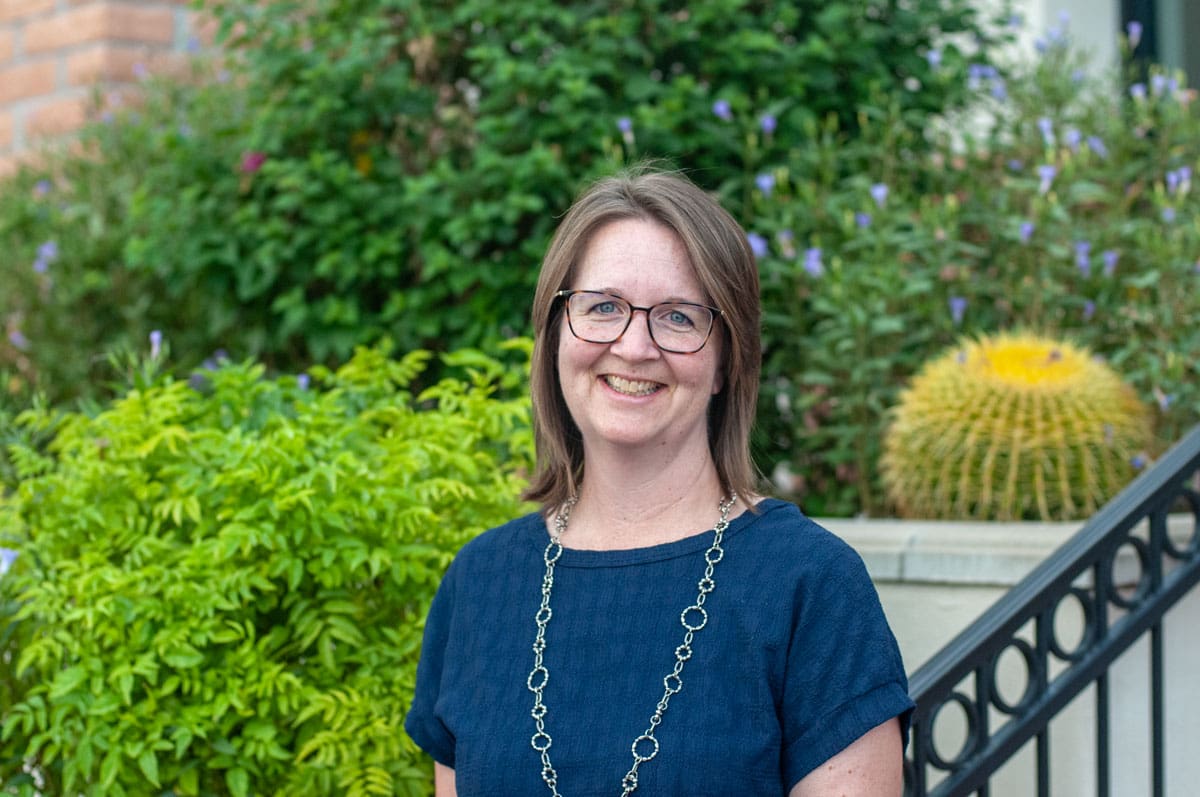
Becca uses parts work, attention to the body, and trauma processing with adults navigating complex trauma, dissociation, and grief. Her approach is calm, gentle, and attentive to what feels manageable.

Mary may draw from IFS and parts work alongside EMDR, DBR, and relational approaches. She offers warm, collaborative support for women and teen girls working through painful patterns, emotions, and boundaries.

Shari incorporates Ego State Therapy and other parts-based approaches in her work with adult women. She brings steadiness and grounded honesty to complex trauma, grief, spiritual abuse, and protective patterns.
Each clinician brings different training and experience. If you are seeking a specific model, including ego state therapy in Tucson, ask about that approach when considering a therapist.
Need help narrowing the options? Kelly can help you consider your concerns, preferences, and practical needs.
Get help choosingNo. Parts language can describe ordinary differences in feelings, perspectives, and behavior. Dissociative identity disorder is a specific condition that requires careful clinical assessment. Using parts language does not establish a diagnosis.
Your therapist can help you find a way of working that fits your experience. You may notice a feeling, a thought, a sensation, or a familiar response. You can say when imagery or particular language does not feel useful.
Ego State Therapy has a close connection with clinical hypnosis, and some therapists use them together. Ego state approaches can also be used without hypnosis. Your therapist should explain any proposed method and discuss your questions and preferences.
You can start with what you notice now and the history you feel ready to share. The work does not require a complete account of your past. A feeling, sensation, or image alone cannot establish that a particular event occurred.
You and your therapist can identify changes that matter to you, such as expressing needs, managing inner conflict, or feeling more present in relationships. Revisit those goals and your experience of the sessions together.
If you feel pulled between what you want and how you react, parts work therapy in Tucson may be worth exploring. Start by getting to know our therapists and considering whose approach fits what you need.